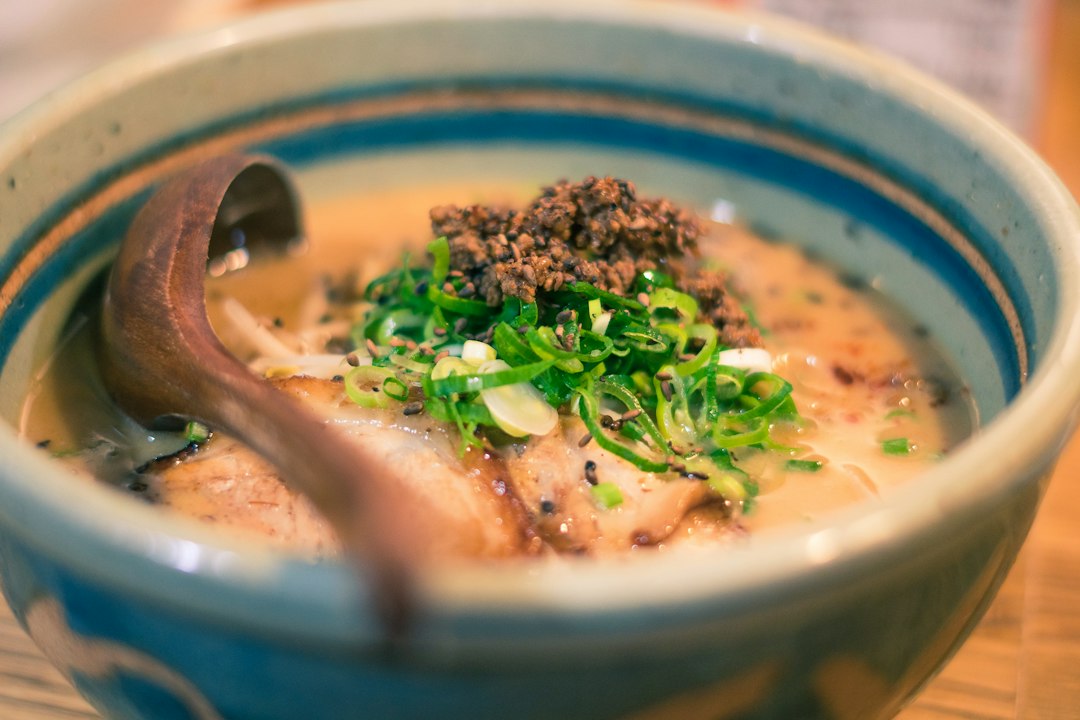
What People Actually Mean by “Yokote Ramen”
If you searched this phrase expecting a hot, rich bowl like Kitakata or Hakata ramen, recalibrate first: the dish locals in Yokote City, Akita Prefecture call their own is hiyashi ramen (冷やしラーメン) — a fully chilled bowl served even in January, not the summer-only hiyashi chuka found in Tokyo convenience stores. It’s a distinct regional style with its own noodle thickness, its own broth-cooling logic, and its own shop culture, and mixing it up with Yokote’s other famous B-kyu gourmet export, Yokote yakisoba, is the single most common mistake visitors make before they arrive.
Why a Snow Country Town Eats Cold Noodles in Winter
Yokote sits in the Yokote Basin, an area that regularly records over a meter of snowfall and indoor temperatures pushed well above normal by kerosene stoves and kotatsu tables running non-stop from November through March. The story told by several of the city’s older shop owners is that in the 1950s, customers sitting in overheated tatami rooms started asking for their chuka soba to be cooled down so they wouldn’t finish a bowl already sweating. Chuka Soba Yotsuya, a shop that opened in 1958 near what’s now the Yokote Station area, is usually credited with turning this one-off request into a permanent menu item, and from there the style spread to roughly a dozen shops around the city that still serve it today.
How a Bowl of Yokote Hiyashi Ramen Is Actually Built
The broth is a soy-based shoyu dashi made hot in the kitchen and then rapidly chilled, not simply poured over ice — a lazily cooled broth separates and tastes flat, while a properly rested one stays clear and keeps its umami intact. It’s ladled cold over noodles that have also been rinsed in cold water after boiling, which is what keeps them from clumping the way cheap hiyashi chuka noodles sometimes do. Standard toppings are simple and fairly non-negotiable from shop to shop: thin-sliced chashu, menma, a sheet of nori, scallions, and often a few slices of cucumber or a boiled egg half. There’s no mayonnaise or sesame dressing drizzle like Tokyo-style hiyashi chuka — the whole point of the dish is that it reads as ramen, served cold, not a cold noodle salad borrowing ramen’s name.
Where to Actually Eat It in Yokote
Most of the dedicated shops sit within a 15-minute walk of JR Yokote Station, clustered on and around the shopping street that runs toward Yokote Castle (Yokote-jo). A few worth building a stop around:
- Chuka Soba Yotsuya — the shop most often cited as the originator of the style; a basic bowl runs about ¥600-700, cash only, and it tends to sell out of the day’s chilled broth batch by mid-afternoon, so arrive before 1pm.
- Menme — a short walk from the castle grounds, known for a slightly saltier broth and larger chashu portions; open roughly 11:00-15:00 and 17:00-20:00, closed Wednesdays.
- Fukuken — popular with city-hall employees on lunch break, counter seating only, expect a short line around 12:00-12:30 on weekdays.
None of these shops take reservations and none have English menus, but the word ヒヤシラーメン (hiyashi ramen) written on a scrap of paper or spoken at the counter is the only phrase you actually need.
Getting There From Akita City
Yokote isn’t on the Akita Shinkansen line itself. From Akita Station, take the JR Ou Main Line local or rapid service toward Yokote/Shinjo — the ride takes about 50-60 minutes depending on the train, with a one-way fare around ¥1,170. If you’re coming on the shinkansen from Tokyo, get off at Omagari Station instead of riding all the way to Akita City, then transfer to the Ou Line for the short 15-minute hop south to Yokote. From Yokote Station’s west exit, the castle and the main ramen-shop cluster are all within walking distance, so a rental car isn’t necessary for this part of the trip.
Local Variations Worth Knowing About
Not every bowl is identical. A handful of shops add a splash of rayu (chili oil) on request for a version locals call “piri-kara hiyashi,” and a couple near the station finish the broth with a touch of citrus vinegar for extra sharpness in the summer months. None of this changes the core identity of the dish — hot-made broth, fully cooled, poured over chilled noodles — but it’s worth asking “aji no chigai arimasu ka” (is there a difference in flavor) if you’re trying two shops back to back, since staff are usually happy to explain their house tweak.
How It Compares to Akita’s Other Noodle Styles
Akita Prefecture isn’t a one-dish region. In Akita City proper you’ll find ordinary hot shoyu ramen shops with no connection to the Yokote style at all, and further inland toward Yuzawa there’s a thicker, chewier noodle tradition tied to the Inaniwa udon trade rather than ramen. Yokote’s second claim to fame, Yokote yakisoba, uses a fried noodle topped with a fried egg and pickled red ginger and has nothing to do with hiyashi ramen beyond sharing a hometown — they’re sold in different shops, often at different times of day, and conflating the two when asking a local for a recommendation will just slow down your lunch.
Building a Half-Day Stop Around the Dish
Because the shop cluster and the castle sit so close together, Yokote works well as a half-day detour rather than requiring an overnight stay: arrive on the late-morning Ou Line train, eat at one shop before the lunch rush peaks around 12:30, walk the ten minutes up to Yokote Castle’s observation deck for a view over the basin, then try a second shop’s version before catching an afternoon train back to Omagari or Akita. Two bowls in one visit is a realistic, not excessive, way to compare styles.
Timing and Practical Warnings
Hiyashi ramen is sold year-round in Yokote, which is the entire point of the dish, but shop hours contract in the dead of winter (late December through February) when some close an hour earlier due to snow clearing on access roads. The Yokote Kamakura Festival in mid-February is the one week locals warn you to book accommodation early for, since it’s the town’s biggest annual draw and the small number of business hotels near the station fill up fast — a side benefit is that most hiyashi ramen shops stay open through the festival to catch the extra foot traffic. One genuinely practical warning: almost every shop mentioned here is cash-only, and the nearest reliable ATM is inside the convenience store next to Yokote Station’s east exit rather than inside any of the restaurants, so withdraw cash before you start working through the list rather than discovering the problem at the counter.
Photo by Mingwei Lim on Unsplash