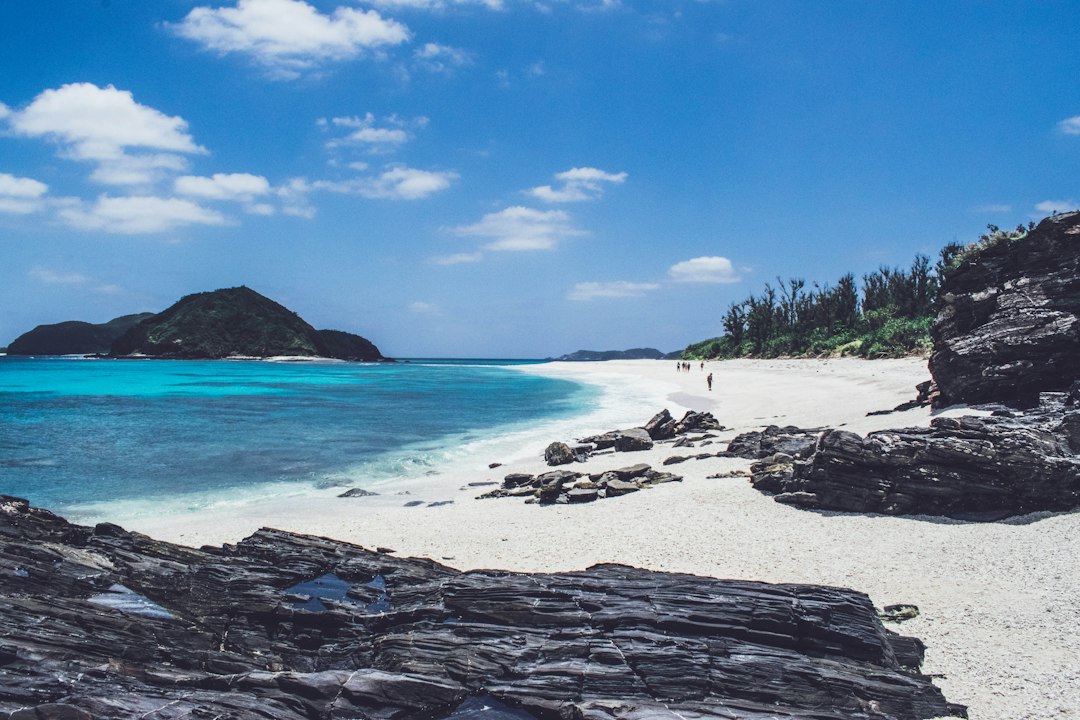
If you’re searching for a beach resort stay on Zamami Island, the first thing to know is that there is no sprawling resort complex with a lazy river and six restaurants waiting for you — Zamami’s accommodation scene is made up of small pensions, family-run minshuku, and a handful of boutique guesthouses, most with fewer than 15 rooms. That’s exactly why people keep going back. I stayed three nights at a pension a five-minute walk from Zamami Port and spent my days at Furuzamami Beach, a 15-minute walk or a free shuttle ride away, and this is what actually matters for planning the trip.
Getting to Zamami Island
Everything starts at Tomarin (Tomari Port) in Naha, not the main Naha Port used for Okinawa mainland ferries. The high-speed ferry Queen Zamami takes about 50 minutes and costs roughly ¥4,000 one-way (around ¥7,100 round trip); it runs 2-3 times daily depending on the season. The slower car ferry, Ferry Zamami, takes close to 2 hours but costs about ¥2,150 one-way, which matters if you’re traveling with a lot of luggage or on a tighter budget. Book the high-speed ferry online through the official Zamami Village site at least a few days ahead during Golden Week (late April-early May) and the Obon week in mid-August, since both sailings sell out and there’s no quick backup option once you’re stuck in Naha.
Where to Stay: Comparing Your Options
Accommodation on Zamami clusters around two areas: Zamami Port/village center, and the road leading toward Furuzamami Beach. Staying near the port means easy ferry access and proximity to the only real cluster of restaurants; staying closer to Furuzamami means a shorter walk to the best swimming but fewer dining choices within walking distance after dark.
- Vila Nozomi – a small ocean-view pension on the hill above the port, around ¥15,000-22,000 per night for two with breakfast. Rooms are simple but the terrace view over the harbor at sunset is worth the price alone.
- Marine House Nobara – a diving-focused guesthouse close to Furuzamami Beach, popular with snorkelers and divers; expect ¥9,000-13,000 per person with two meals included, often bundled with dive or snorkel packages.
- Loft Zamami – the island’s main hostel-style option, dorm beds from around ¥3,500-4,500 a night, good if you’re traveling solo or on a short budget trip and don’t need a private bathroom.
- Pension-style minshuku in the village – family-run places along the road behind Zamami Port typically charge ¥8,000-11,000 per person with dinner and breakfast (often fresh local fish, goya champuru, and Okinawan soba), and many will pick you up from the port if you call ahead.
None of these fall into the category of an international beach resort chain — that’s a deliberate note, not a complaint. If you’re picturing a Okinawa mainland-style resort like those in Onna Village, recalibrate expectations before booking; what Zamami offers instead is walkable scale, home-cooked meals, and owners who’ll tell you which cove has calmer water that day.
Furuzamami Beach and the Shuttle Bus
Furuzamami Beach is the reason most people come. It’s about a 15-20 minute walk from Zamami Port, or you can take the free village shuttle bus that’s timed to meet most ferry arrivals — the ride takes roughly 10 minutes. The beach itself has a snorkel rental stand right at the entrance (fins, mask, and snorkel for about ¥1,500 a day), plus a simple shower and changing facility. Visibility in the shallows near the rocks at the northern end is consistently excellent from April through October, and you don’t need a boat to see parakeet fish and small reef sharks here — I saw both without going more than 30 meters from shore.
Diving, Snorkeling, and Whale Watching
For boat dives and snorkel tours, Zamami Dive Association and a few smaller operators run trips from the port, usually two dives a day for around ¥13,000-16,000 including equipment. Between mid-January and late March, several of these same operators switch to humpback whale watching tours (around ¥5,000 per adult, departing roughly 9:00am and 1:00pm from Zamami Port) — the Kerama Islands are one of the few places in Japan where you can reliably see humpbacks from a small boat within 20 minutes of departure.
Food and Daily Life on the Island
There’s no convenience store chain like 7-Eleven or FamilyMart on Zamami — the closest thing is a small village supermarket near the port where you can pick up snacks, instant noodles, and sunscreen, but it closes early (around 7:00pm). For meals, Shokudo Oumi near the port does a solid Okinawa soba and tempura set for around ¥900, and a couple of small cafés near the harbor serve shaved ice and coffee during the day but close by early evening. Most guesthouses include dinner in their rates precisely because options run out once the sun goes down, so if your accommodation offers a meal plan, take it rather than assuming you’ll find something open at 8pm.
Practical Things Nobody Mentions
- There is only one ATM on the island, at the Zamami Village Post Office, and it keeps standard post office hours (roughly 9:00am-4:00pm on weekdays, closed weekends) — bring enough cash from Naha before you leave, because most minshuku and small shops don’t take cards.
- Scooter rental is available near the port for about ¥3,000 a day, and it’s genuinely useful since there isn’t a single traffic light on the island and distances between beaches are short.
- Typhoon season (roughly August to September) can cancel ferries with little notice; if your trip falls in this window, build in a buffer day in Naha before your flight home rather than booking a same-day connection.
One Last Timing Note
The single most common mistake I see people make is booking Zamami as a day trip from Naha. Technically possible with the early high-speed ferry, but it leaves you maybe four hours on the island after the walk to Furuzamami and back — not enough time to justify the ferry cost or the crowds at the port in peak season. Staying even one night changes the experience completely: you get the beach again in the early morning before the day-trip crowds arrive on the 9am boat, and you get to actually eat dinner cooked by someone who’s lived there their whole life instead of rushing for the last sailing back to Tomarin.
Photo by Roméo A. on Unsplash