Why Fukuoka Works So Well As A Day-Trip Base
Hakata Station and Nishitetsu Fukuoka (Tenjin) Station are two separate buildings about 15 minutes apart by subway, and they belong to two separate rail companies — JR Kyushu and Nishitetsu — that don’t always sell through-tickets to the same destinations. If you’re heading to Dazaifu, you want Nishitetsu, not JR. If you’re heading to Karatsu or Mojiko, you want JR’s Chikuhi Line or Kagoshima Main Line. A Nimoca or Sugoca IC card works on both networks plus buses and the subway, so tap in and out rather than fumbling with paper tickets at each gate. Most of the spots below are reachable in 30 to 90 minutes one-way, which is what makes Fukuoka a genuinely practical base rather than a marketing claim.
Dazaifu: Shrine, Museum, and a Kengo Kuma Starbucks
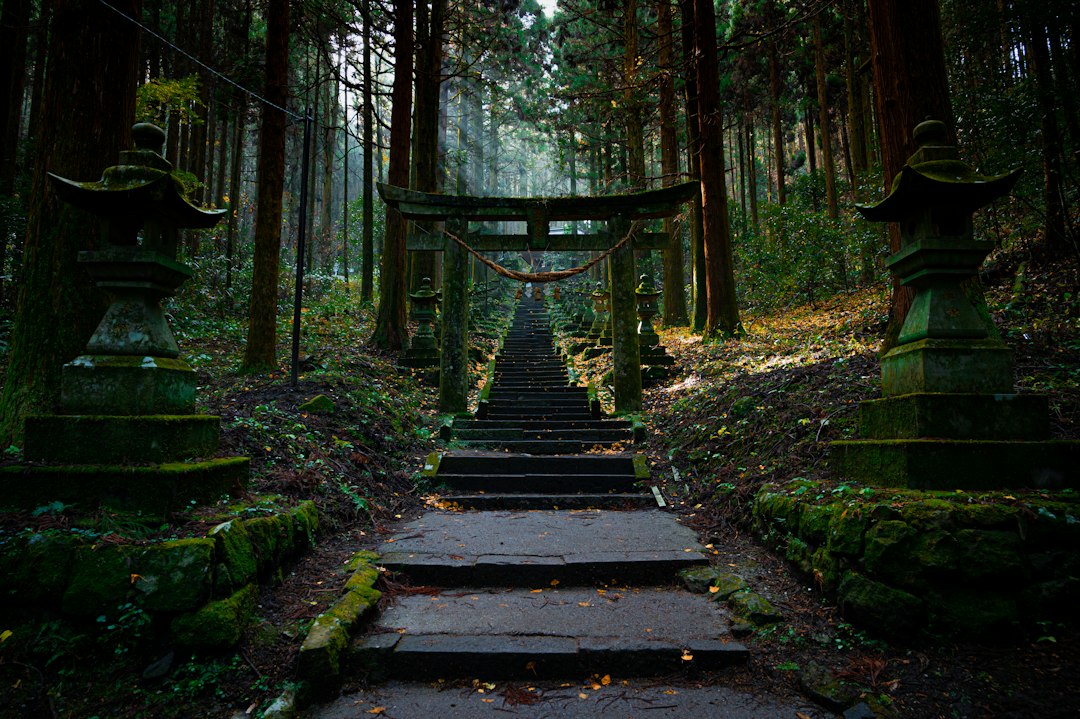
Take the Nishitetsu Tenjin Omuta Line from Nishitetsu Fukuoka (Tenjin) Station, transfer at Nishitetsu Futsukaichi, and arrive at Dazaifu Station in about 30 minutes for ¥420 one-way. Dazaifu Tenmangu, dedicated to the scholar-deity Sugawara no Michizane, draws students before exam season but is genuinely pleasant on a weekday morning before 10am when the approach street is still quiet. That approach street, Omotesando, has the Starbucks designed by Kengo Kuma with a lattice of 2,000 interlocking wooden beams — worth a look even if you don’t drink coffee. Grab umegae mochi, a grilled rice cake with sweet red bean filling, from Kasanoya (¥150 each) near the shrine’s second torii gate. The Kyushu National Museum, connected to the shrine grounds by a long escalator tunnel through the hillside, charges ¥700 for permanent exhibits and is air-conditioned, which matters in August.
Yanagawa: Canal Boats and Eel Steamed in a Box
Nishitetsu runs a direct limited express from Nishitetsu Fukuoka to Nishitetsu Yanagawa Station in about 50 minutes (¥930). The town is built around a network of Edo-period canals, and the standard activity is a 70-minute punted boat ride (around ¥1,700 per adult) past old merchant storehouses and under low stone bridges — the boatman sings as he poles, which sounds gimmicky until you’re actually gliding past willow trees in late afternoon light. Afterward, eat unagi seiro mushi, eel steamed on a bed of rice in a lacquered box, at Motoyoshiya near the boat dock; a set runs roughly ¥3,000–¥4,000. Boats stop running earlier in winter (check the last departure, usually around 4pm), so this is a spring-through-autumn trip if you want the full canal experience.
Itoshima: Beaches, Cafes, and a Coast Road You Actually Want a Car For
The JR Chikuhi Line runs from Hakata (via Meinohama) to Chikuzen-Maebaru or Itoshima Station in 40–50 minutes. Itoshima gets covered constantly on Instagram for its Sunset Road along Futamigaura, where two torii-topped rocks sit just offshore, but the area is spread out enough that renting a car at the station (several small agencies near Chikuzen-Maebaru, from about ¥5,000/day) makes a real difference versus relying on the infrequent Showa Bus routes. Saza Coffee’s original roastery location is here, and there are a dozen small farm cafes serving things like tamago sando made with eggs from the farm next door. If you only have a few hours, prioritize the coastline near Keya no Oto, a dramatic cliff formation about a 20-minute drive past the main beach area, which most day-trippers skip because it’s harder to reach by bus.
Karatsu and Yobuko: Castle Views and Squid So Fresh It’s Still Moving
JR’s Chikuhi Line rapid service connects Hakata (or Meinohama) to Karatsu Station in roughly 70–80 minutes, crossing from Fukuoka into Saga Prefecture. Karatsu Castle, properly called Maizuru Castle, sits on a small hill in Maizuru Park overlooking Karatsu Bay; the keep (¥500 admission) isn’t original but the view over the Matsubara pine grove from the top is. The town is also known for Karatsu-yaki pottery, with working kiln showrooms clustered around Yobikoshi-cho. If you extend by local bus about 30 minutes further to Yobuko, the morning market (asaichi) runs roughly 7:30am–noon and is the place to eat ika odori-don — squid sashimi served while the tentacles are still twitching, around ¥2,000–¥2,500 at shops along the market street. This combination (Karatsu plus Yobuko) is a long day, realistically 10+ hours round trip, so leave Fukuoka by 8am.
Mojiko Retro: Banana Boats and Baked Curry at the Kanmon Straits
From Hakata, take the Kyushu Shinkansen to Kokura (about 16 minutes, ¥2,000+) or the JR Kagoshima Main Line rapid service (about 60–70 minutes, cheaper), then switch to a local train to Mojiko Station, another 15 minutes. The retro port district here has Taisho-era brick buildings, including the old Mojiko Station building itself (a designated Important Cultural Property) and the Blue Wing Mojiko drawbridge, which opens for pedestrians several times a day. The local specialty is yaki curry — curry rice baked with cheese and often a raw egg on top — and Bear Fruits near the station does a solid version for about ¥1,000. From Mojiko you can also take a 5-minute ferry (¥400) across the Kanmon Straits to Shimonoseki in Yamaguchi Prefecture, technically stepping onto Honshu, which makes for a good bragging-rights add-on to the trip.
Nokonoshima Island: Flower Fields a Ferry Ride from Downtown
This is the easiest half-day option on this list. From Meinohama Ferry Terminal (a short walk from Meinohama Station on the subway/JR line), ferries to Nokonoshima run every 20–30 minutes and take just 10 minutes, with round-trip tickets around ¥460. Noko no Shima Island Park, a 10-minute bus ride from the ferry pier, charges about ¥1,200 admission and plants different flowers by season — nanohana (rapeseed) in spring, sunflowers in summer, cosmos in autumn. Because the whole loop (ferry, bus, park, ferry back) can be done in under four hours, it’s the trip to default to if you’ve got a half-day gap or kids in tow who won’t tolerate a two-hour train ride.
Takeo Onsen and Arita: Hot Springs and Four Centuries of Porcelain
The Nishi Kyushu Shinkansen gets you from Hakata to Takeo Onsen Station in about 30 minutes. The town’s signature structure is the Romon gate, a red two-story wooden entrance to the public bathhouse designed by Tokyo Station architect Tatsuno Kingo’s contemporary Katayama Tokuma; the public bath itself (Takeo Onsen Shinkan) charges around ¥500 for a basic soak. From Takeo Onsen Station, a local JR train reaches Arita in about 15 minutes — this is the town where Japanese porcelain production essentially began in the early 1600s, and shops along the main street sell everything from ¥300 mass-produced sake cups to museum-piece bowls. The Kyushu Ceramic Museum in Arita is free to enter and gives useful context before you start shopping.
If You Have More Time: Yufuin as a Stretch Goal
Yufuin, in Oita Prefecture, is technically outside comfortable day-trip range but gets lumped into these lists constantly, so it’s worth a note. The direct highway bus (Yufu-rin or Fukuoka-Yufuin Express) from Hakata Bus Terminal takes about 2 hours 10 minutes and costs roughly ¥3,250 one-way. It’s doable as a long day trip if you catch an early bus, but you’ll spend close to 4.5 hours round trip just on the bus, leaving maybe 4–5 hours in town. It works better as an overnight, so don’t force it into a single day unless you’re skipping the hot spring soak that’s the actual point of going there.
A Few Things Worth Knowing Before You Book Anything
Last trains back to Hakata from the further destinations (Karatsu, Mojiko) often run earlier than you’d expect on weeknights, sometimes before 10pm on local lines, so check the return schedule before you leave rather than after you’ve eaten dinner. Yanagawa’s boat rides and Nokonoshima’s flower fields are both seasonal in how good they look — a trip timed to late November for Yanagawa’s canal-side foliage or April for Nokonoshima’s nanohana will look completely different from the same trip in February. And if you’re combining two of these in one day — say, Dazaifu in the morning and Yanagawa in the afternoon — remember they’re on the same Nishitetsu line but require a transfer back through Nishitetsu Futsukaichi each direction, which eats more time than the map distance suggests.
Photo by Samuel Berner on Unsplash