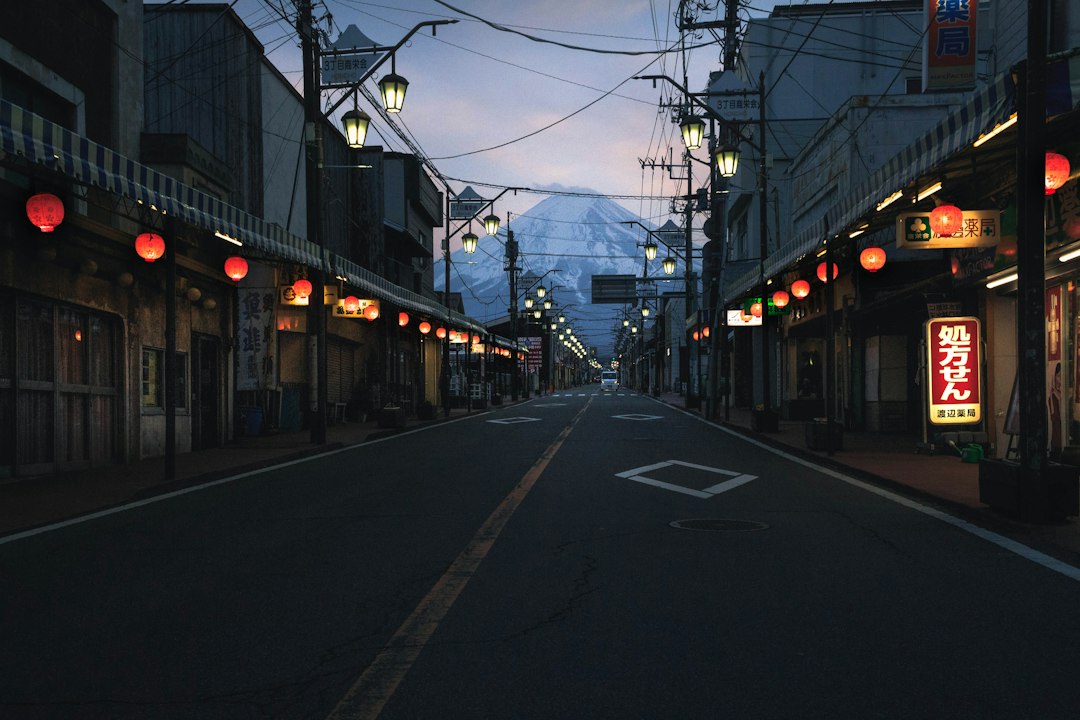
If you only have time for one onsen town in Nagano, make it Shibu Onsen for the atmosphere or Nozawa Onsen if you want free public baths you can hop between in your yukata after dark. Nagano prefecture sits on enough volcanic activity to support a dozen legitimate onsen towns, but most visitors waste a day picking between generic ryokan listings instead of knowing which town actually suits their plans. Here’s what five years of repeat trips through the prefecture taught me about each one.
Shibu Onsen: The Nine-Bath Pilgrimage Town
Shibu Onsen is the one with the stone-paved main street, wooden footbridges, and women clacking around in geta at 9pm looking for the next bathhouse. The town has nine public soto-yu bathhouses numbered 1 through 9, and technically only guests staying overnight at one of the roughly 37 ryokan in town get the combination code (it changes periodically) to unlock them. If you’re a day-tripper, you can still soak at Oyu, the free foot bath near the shrine, but the full nine-bath circuit is reserved for overnight guests — this is the single biggest reason to actually stay the night here rather than just pass through.
A room with two meals at a mid-range inn like Kanagawaya or Biyu no Yado runs roughly ¥15,000–¥25,000 per person depending on season and whether you get a private open-air bath. Shibu is also the jumping-off point for Jigokudani Monkey Park — it’s about a 35-minute walk from the Kanbayashi Onsen bus stop through cedar forest, entrance fee ¥800, open 8:30–17:00 April through October and 9:00–16:00 November through March. Go early (before 9:30am) if you want the monkeys in the hot spring pool without forty people photographing them.
Yudanaka Onsen: The Practical Base
Yudanaka is the station town right next to Shibu, and it’s where most people actually sleep if they want easier access by train. Nagano Electric Railway (Nagaden) runs from Nagano Station directly to Yudanaka Station in about 45 minutes on the Limited Express Yukemuri, fare around ¥1,290 one-way including the express surcharge. The station building itself still has the old wooden ticket counter and a foot bath on the platform, which tells you the town hasn’t tried too hard to modernize.
Yudanaka has fewer theatrical streetscapes than Shibu but better value ryokan, and it works as a base if you’re combining onsen with skiing at Shiga Kogen (about 30 minutes further by bus) in winter. Public bath Kamatani-no-yu near the station costs around ¥300 for non-staying visitors, open roughly 6:00–22:00.
Nozawa Onsen: Free Baths and Ski Town Energy
Nozawa Onsen village has 13 free soto-yu scattered through its narrow lanes, funded by the local community rather than individual ryokan, so unlike Shibu you don’t need a special key — just a few hundred yen in the donation box and basic bathing manners. The most famous is Ogama, where the water runs hot enough that locals use separate channels to boil vegetables and eggs rather than bathe directly in the source pool. O-yu, near the Dosojin shrine in the upper part of the village, is the one with the most photogenic wooden facade.
Getting there: take the Hokuriku Shinkansen to Iiyama Station (about 100 minutes from Tokyo), then the Nozawa Onsen Liner bus for roughly 25 minutes, around ¥600. The town doubles as a ski resort, so December through March it’s genuinely busy with a mixed Australian-Japanese crowd; outside ski season it’s much quieter and cheaper, with ryokan rates dropping by 30–40% in May, June, September, and October.
Bessho Onsen: The Quiet Temple Town
Bessho Onsen gets called the “Kamakura of Shinshu” because of its temple density, and it’s the least touristy entry on this list despite being only 30 minutes from Ueda Station on the Ueda Dentetsu Bessho Line (fare ¥590 one-way, trains roughly every 30 minutes). The line itself is worth the trip — a single-car rural train through rice fields that feels unchanged since the 1980s.
The town’s main draw besides the water is Anraku-ji temple, home to the only octagonal pagoda (hassokumon) registered as a National Treasure in Nagano. The public bathhouse Ishiyu, right in the center of town, costs ¥150 to enter and is open roughly 6:00–22:00 — it’s a genuinely local spot where you’ll be the only non-Japanese visitor on a weekday afternoon. Bessho suits people who want the onsen-and-temple combination without Shibu’s crowds or souvenir shops.
Togura-Kamiyamada Onsen: The Overlooked River Town
Few foreign guidebooks mention Togura-Kamiyamada, which sits along the Chikuma River about 15 minutes from Ueda by local train on the Shinano Railway Line. It developed as a geisha entertainment district in the early 20th century, and the old Yanagi-machi lane still has a handful of retro wooden facades, though many buildings now stand empty. The appeal here is low prices — ryokan with two meals start around ¥10,000 per person, noticeably cheaper than Shibu or Nozawa — and open-air baths with river views rather than mountain views. It’s a reasonable overnight stop if you’re driving between Ueda and Nagano city and don’t want to pay Shibu prices.
How to Choose Between Them
- Want the classic Edo-era streetscape and don’t mind paying for it: Shibu Onsen
- Want easy train access and a base for Shiga Kogen skiing: Yudanaka Onsen
- Want free public baths and don’t mind a ski-town crowd in winter: Nozawa Onsen
- Want temples plus onsen with almost no other tourists: Bessho Onsen
- Want the cheapest overnight stay with river views: Togura-Kamiyamada Onsen
One Thing Most Articles Don’t Mention
Nearly every soto-yu bathhouse in these towns — Shibu’s nine baths, Nozawa’s thirteen, Bessho’s Ishiyu — operates on an honesty system with no staff present, which means etiquette violations (not rinsing before entering, bringing towels into the water, photographing inside) get noticed immediately by locals using the same bath daily. If you’re traveling with kids under about age 7, check specific bath rules before going in — several of the Shibu bathhouses, including No. 6 (Shin-yu), run noticeably hotter than standard ryokan baths, sometimes above 43°C, and aren’t really suited to small children even though there’s no posted age restriction. Plan your visit for a weekday if possible; weekend soaking rotations in Shibu’s nine-bath circuit get crowded enough by 7pm that you’ll be queueing outside wooden doors in your yukata.
Photo by Gregoire Jeanneau on Unsplash