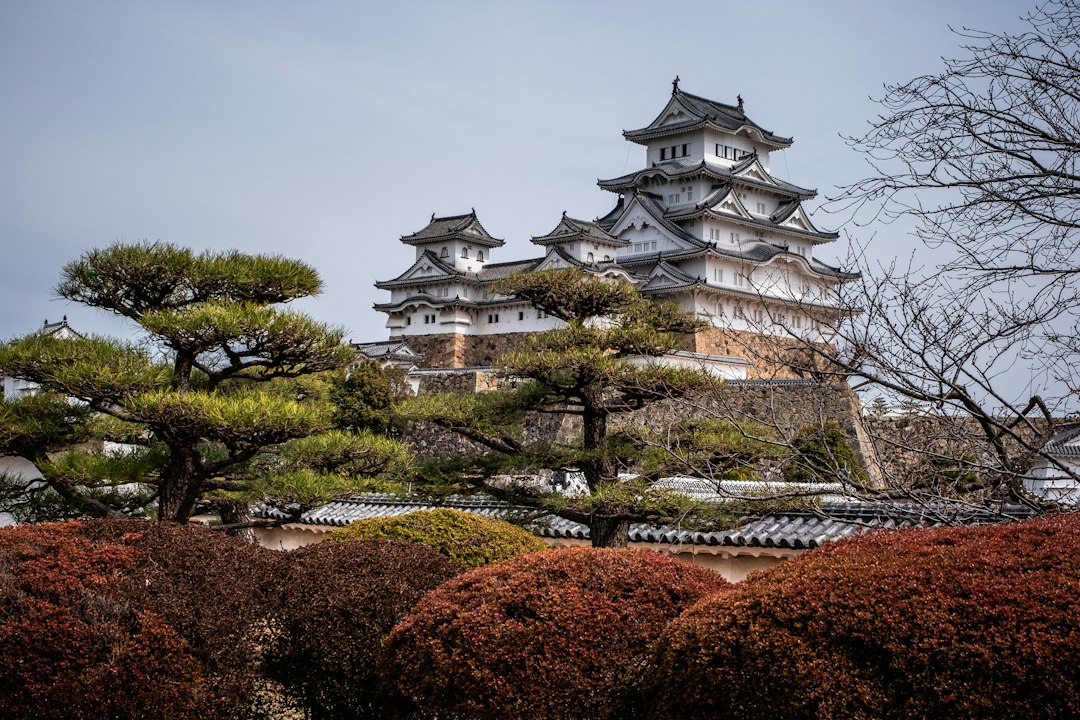
If you’re searching for Echizen Ono, you’ve probably already seen a photo of a wooden castle floating above a sea of cloud and want to know how to actually see it in person — the short answer is: stay overnight nearby, get up before dawn between late October and early December, and climb the opposite ridge, not the castle hill itself. Everything else about this Fukui Prefecture castle town builds around that one phenomenon, but the town itself — with a 400-year-old morning market street still running daily — is worth the trip even without the clouds cooperating.
Getting to Echizen Ono
Ono sits inland in Fukui Prefecture, about an hour from Fukui City by rail. From JR Fukui Station, take the JR Etsumi-Hoku Line (越美北線) to Ono-shi Station (大野市駅) — note the name, since there are other “Ono” stations in Japan. The ride takes roughly 55-70 minutes and costs about ¥1,140 one-way. The catch is frequency: this is a rural single-track line with only around 8-10 trains a day, so check the Yahoo! Norikae or JR West timetable before you plan your day, because missing one can mean a two-hour wait. A more reliable option is the Keifuku highway bus from Fukui Station’s bus terminal, which takes about 50 minutes and runs more frequently throughout the day for a similar fare. If you’re driving, the Chubu-Jukan Expressway’s Ono IC puts you about 5 minutes from the town center, which is the easiest way to combine Ono with a Hakusan or Gujo Hachiman side trip.
Echizen Ono Castle and the “Castle in the Sky” Cloud Sea
Echizen Ono Castle (越前大野城) sits atop Kameyama hill, a 249-meter rise right behind the town’s main shopping streets. The current structure is a 1968 ferroconcrete reconstruction, not an original, so don’t expect Himeji-level interior detail — the appeal here is the setting, not the woodwork. Inside there’s a small museum of local samurai-era artifacts and maps of the Ono clan’s history under the Doi family. Opening hours run 9:00-17:00, but the castle closes completely from roughly December through March due to snow accumulation on the hill paths, so winter visitors will only get the exterior view from below. Admission is ¥300 for adults.
The famous “castle in the sky” (天空の城) shot — the castle poking through a flat layer of cloud — happens when a sea of mist fills the valley below Kameyama at sunrise. This isn’t visible from the castle itself; you need to be on the opposite ridge, typically the Inuyama-jo ruins (戌山城跡) viewpoint across the valley, reached by a roughly 30-40 minute uphill walk from the trailhead parking area. Conditions that favor it: a clear, windless morning following a rainy day, with a big day-night temperature swing — classic autumn weather from late October into early December, arriving before sunrise (often before 6am). It doesn’t appear every day even in peak season, so if you’re coming specifically for this, budget two mornings and don’t blame the town if the first one is a bust.
Shichiken Morning Market (七間朝市)
This is the part of Ono that locals actually use daily, not a staged tourist event. The Shichiken Asaichi has run along Shichiken-dori street for over 400 years, with farmers setting up stalls of vegetables, pickled Ono-imo taro, mountain vegetables, and cut flowers directly on the pavement. It runs roughly 6:00am-11:00am in warmer months and starts closer to 7:00am in winter. Go early — by 9am the best produce is gone and it’s mostly browsing. It’s a five-to-eight-minute walk from Ono-shi Station, and there’s a second, smaller morning market on Yokamachi street nearby if you want to compare.
Samurai District, Temple Row, and the Water Culture
Ono calls itself the “City of Water” (水の都), and it’s not marketing fluff — the whole town sits on a fan of clean groundwater fed by the surrounding mountains. The clearest expression of this is Oshozu (御清水), a spring in a residential backstreet that’s listed among Japan’s Top 100 Waters (名水百選); locals still come with jugs to fill them for free, and several soba shops and the local sake brewery use this water directly. Nanbu Shuzojo (南部酒造場), maker of the Hanagaki (花垣) sake brand, is in town and occasionally opens for informal tastings — call ahead rather than just showing up. For architecture, walk Teramachi, the temple row with around 20 Buddhist temples lined up along one street a short walk south of the castle hill, laid out deliberately in the Edo period as a defensive buffer zone — a very Japanese castle-town design trick you can still read clearly in the street plan today.
Heisei Ono-ya Kura no Eki
On Nanukamachi street, a renovated Edo-period sake warehouse now operates as Heisei Ono-ya Kura no Eki (平成大野屋 蔵の駅) — part gift shop, part café, part small history display. It’s the easiest single stop for buying local products: dedchi yokan (a dense, chestnut-studded mizu-yokan unique to the Fukui/Ono area, sold roughly ¥300-800 depending on size, mostly in the colder months), pickled vegetables, and local sake. It’s a good rainy-day fallback if the castle hill trail is too muddy to bother with.
Where to Eat
Echizen oroshi-soba — cold buckwheat noodles topped with grated daikon, bonito flakes, and a soy-based sauce poured over rather than dipped into — is the dish to order here, and Ono’s version benefits from the same spring water used in Oshozu. Expect to pay ¥800-1,200 for a bowl at the small soba shops clustered around the Shichiken and Nanukamachi streets; portions are often smaller than you’d expect, so locals frequently order the “nibai” (double) size. If you want something heavier, sauce katsudon (a breaded pork cutlet doused in a Worcestershire-style sauce over rice) shows up on menus around town for roughly ¥900-1,100 and is a Fukui-wide specialty worth trying once.
Suggested Half-Day Route
- Arrive at Ono-shi Station by mid-morning (or stay overnight if chasing the cloud sea)
- Walk the Shichiken morning market before 9am
- Climb Kameyama to the castle (15-20 minutes uphill from the Ninomon gate area)
- Walk down through Teramachi temple row
- Lunch on oroshi-soba near Nanukamachi
- Browse Heisei Ono-ya Kura no Eki and stop by Oshozu spring on the way back to the station
One Thing to Know Before You Book
If the cloud-sea photo is your main reason for coming, plan the overnight stay in Ono itself rather than a day trip from Fukui City — the viewpoint hike needs to be done in pre-dawn darkness with a flashlight, and the last bus or train back to Fukui won’t get you there in time for sunrise. Ono has only a handful of small ryokan and business hotels, so book ahead in autumn weekends; rooms fill up fast once local weather forecasts start predicting the right conditions for unkai mist.
Photo by Sue Winston on Unsplash