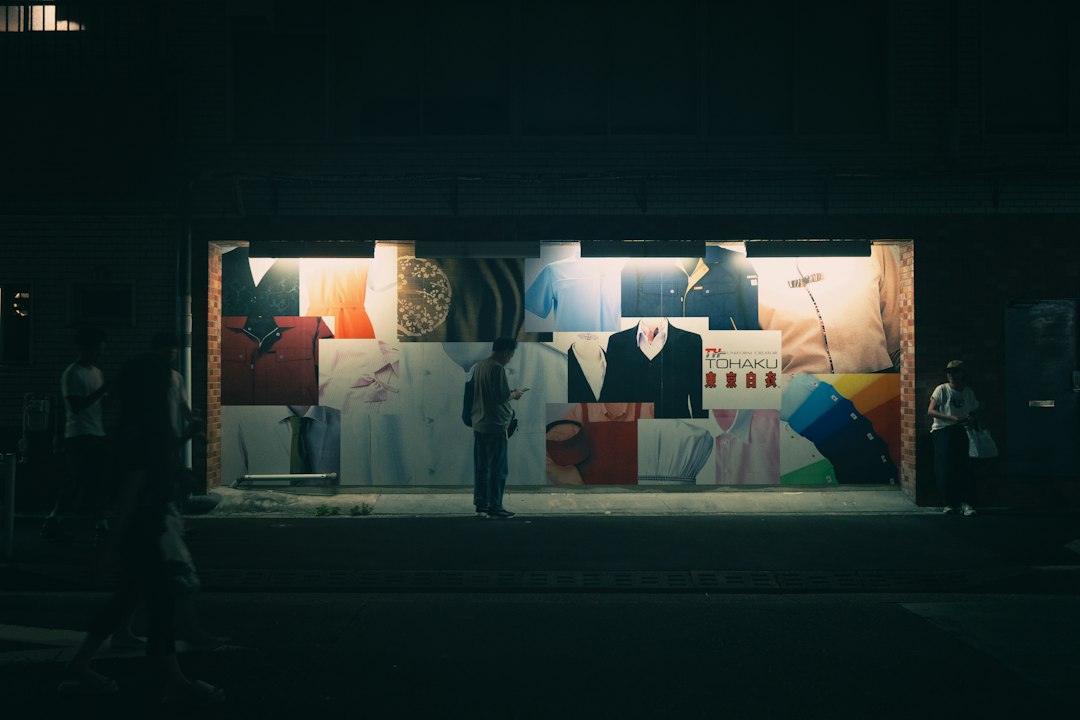
If you’re shopping for clothes anywhere in Japan right now, the rules changed on you less than two weeks ago. As of November 1, 2026, Japan switched its entire tax-free retail system from an instant point-of-sale exemption to a refund-based model — you now pay the full 10% consumption tax at the register, then claim it back before you leave the country. This matters a lot if you’re budgeting for a shopping trip to Uniqlo’s Ginza flagship or the outlet racks at Gotemba, because the discount no longer shows up on your receipt at checkout.
How the New Refund System Actually Works
At the register, staff scan your physical passport (not a photo of it) and the purchase is logged electronically against your travel document through a system some stores are calling the FreeTax Japan network. You pay full price, tax included. Before departure — at Narita, Haneda, or Kansai airport, or at select downtown refund counters in Ginza and Shinjuku — you present your passport at a kiosk or staffed counter, the purchases are verified against your logged receipts, and the 10% is refunded either to a credit card or in cash, depending on the counter. Processing during off-peak hours takes about 10-15 minutes; during the December/January holiday rush or Lunar New Year, counters at Narita Terminal 1 have been running 45-60 minute waits, so build in extra time if you’ve been buying a lot of clothing.
Minimum Purchase and What Qualifies
The combined threshold is ¥5,000 before tax per store per day — this applies to clothing, shoes, and bags just as it does to electronics. Unlike food or cosmetics, apparel has no packaging-seal requirement and no 30-day export restriction, so you can wear your new jacket out of the store that day. There’s also no upper spending cap on general goods like clothing anymore (the old ¥500,000 ceiling was dropped a few years back for this category), though some department stores still ask you to consolidate same-day purchases across floors onto one receipt to simplify the refund paperwork later.
Best Clothing Stores for Tax-Free Shopping in Tokyo
Ginza
Uniqlo’s Ginza flagship at 6-9-5 Ginza, Chuo-ku, is twelve floors and a three-minute walk from Ginza Station exit A2 (Ginza, Marunouchi, or Hibiya lines). It’s open 11:00-21:00 daily and has a dedicated tax-free registration counter on the 6th floor with English-speaking staff during daytime shifts. Dover Street Market Ginza, a few minutes away on Chuo-dori, handles Comme des Garçons and a rotating lineup of designer labels — budget at least ¥15,000-20,000 per piece there if you want to hit the threshold in one visit.
Shibuya
Shibuya 109 on Dogenzaka (2-29-1) has its tax-free service counter near the south entrance on the 1st floor. Individual items from brands like SPINNS and LIZ LISA often run under ¥3,000, so the trick is buying across multiple floors — the building operator issues one combined receipt, which makes it easier to clear ¥5,000 in a single visit.
Shinjuku
Isetan Shinjuku’s main building at 3-14-1 Shinjuku has its tax-free counter on the 5th floor, right by the Comme des Garçons and Yohji Yamamoto sections. Store hours are 10:00-20:00, but Isetan closes on an irregular Wednesday roughly once a month — check the calendar on isetan.mistore.jp before you plan a dedicated trip, because it’s easy to show up on the wrong day.
Harajuku and Omotesando
Don’t assume Takeshita Street is too budget for tax-free shopping — WEGO and Spinns branches there do register purchases, and because prices are low you’ll likely be buying several items anyway, which gets you past ¥5,000 fast. For higher-end shopping, GYRE in Omotesando at 5-10-1 Jingumae (three minutes from Omotesando Station exit A1, served by the Chiyoda, Ginza, and Hanzomon lines) houses Comme des Garçons and Chanel boutiques with in-house tax-free processing.
Outlet Malls Worth the Train Ride
Gotemba Premium Outlets, near the Shizuoka border, is reachable via the Odakyu Highway Bus from Shinjuku’s west exit bus terminal — about 100 minutes, with a round-trip ticket around ¥3,600 that includes a discount coupon booklet. Alternatively, take the JR Gotemba Line to Gotemba Station and catch the free shuttle (about 20 minutes). Look for Beams Outlet and United Arrows Outlet here for Japanese domestic labels you won’t find overseas. Mitsui Outlet Park Kisarazu, across Tokyo Bay, is about 65 minutes from Tokyo Station’s Yaesu south exit via the Aqua-Line highway bus (around ¥1,780 one way) and has Adidas, Nike, and Gap outlets with on-site tax-free counters.
Avoiding Airport Refund Lines
Haneda Terminal 3’s refund counter sits near security checkpoint C and tends to move faster since it’s integrated into the shared refund network launched alongside the November reform. Narita gets backed up around 10:00-13:00 when flights to Seoul and major Chinese cities cluster together — if you’ve got a heavy shopping haul, get to the airport a full three hours before an international departure rather than the usual two, specifically to leave time for the refund counter.
A Few Things That Catch People Out
Keep your paper receipts and the actual clothing accessible in your carry-on until after you’ve processed the refund — if the items go into checked luggage before you’ve visited the counter, customs staff may ask you to retrieve them for inspection, which is an awkward scene at a check-in desk. Smaller independent boutiques, especially in neighborhoods like Shimokitazawa or Koenji, haven’t all switched to digital refund kiosks yet and still process paperwork manually, which takes longer at the airport end — it’s worth checking the JNTO tax-free shop locator before counting on an instant refund from a small shop. And because the refund only triggers on actual departure from Japan, there’s no way to claim it retroactively if you leave the country and come back later in your trip without having processed it the first time.
Photo by ayumi kubo on Unsplash