The Short Answer
Love hotels run on two completely separate clocks, and mixing them up is how people end up with a surprise charge at checkout. Book a “Rest” (kyūkei) and you’re typically given 90 minutes to 3 hours from the moment the door locks, with the exact checkout time displayed on the lobby panel before you even touch your card. Book a “Stay” (shukuhaku, sometimes written as o-tomari) and checkout is almost always fixed at 10:00 or 11:00 the next morning, no matter what hour you actually checked in. There is no front desk clerk to negotiate with in most buildings — the electronic door lock and the in-room payment terminal enforce the time automatically, and that’s the part most guides never explain clearly.
Rest (Kyūkei) vs Stay (Shukuhaku): Two Totally Different Clocks
Walk into almost any love hotel lobby — I’ve done this on Dogenzaka hill, the slope five minutes from Shibuya Station’s Hachiko exit, and again on the Nipponbashi strip in Osaka — and you’ll see the same backlit panel near the entrance showing a grid of room photos with two prices listed under each: 休憩 (kyūkei, “rest”) and 宿泊 (shukuhaku, “stay”). Pressing the lit button for a specific room and rate locks in your checkout window before you’ve even found the elevator.
Rest Rates and Checkout
A typical Rest at a mid-range Shibuya property such as Hotel Varna runs ¥4,000–¥6,000 for a 2–3 hour block on a weekday afternoon, rising ¥1,000–¥2,000 on Friday and Saturday nights when demand spikes. The clock starts the second the room door clicks shut behind you, not when you finish paying at the in-room vending-style machine. Check in at 15:00 for a 3-hour Rest and the system expects you out by 18:00 — and “out” means the exit button or key fob actually disengages the lock, which on many properties is wired directly to the elapsed timer rather than to a human decision.
Stay Rates and Checkout
Stay bookings usually only unlock on the panel after a cutoff time, commonly 20:00–22:00, because the room needs to be free and cleaned for the overnight slot. Expect ¥8,000–¥14,000 in central Tokyo for a Stay, which is often cheaper than a mid-tier business hotel for two people. Checkout is fixed and printed right on the panel or the in-room tablet: 10:00 is the most common cutoff I’ve encountered around Shinjuku’s Kabukicho and Shibuya, while 11:00 shows up more often in Osaka’s Namba and Fukuoka’s Nakasu district.
How the Automatic Checkout Actually Works Inside the Room
Most rooms have a small intercom or wall-mounted phone that buzzes 15–30 minutes before your checkout time — this is the only warning you’ll get, and it’s usually in Japanese only, so a polite “hai” and hanging up is all that’s expected. Payment at many Rest-only properties happens through a pneumatic tube or a slot built into the wall near the entrance, where you insert cash or a card and the door unlocks once the transaction clears. At Stay properties, settlement is often handled through a tablet or panel in the room the night before, so you can walk straight out in the morning without waiting at a desk — but if you’ve gone over your paid hours, the exit mechanism simply won’t release until the extra amount is paid through that same terminal.
What Happens If You Run Over
Overtime fees are standard, not punitive add-ons buried in fine print — they’re usually posted right on the original panel alongside the base rate. Expect ¥1,000–�003,000 per additional 30 minutes on a Rest booking, and a flat ¥2,000–¥4,000 “extension” charge if you’re past Stay checkout by more than 30 minutes, after which some properties simply rebill you at the next Rest rate for the extra block. I’ve seen staff call the room phone directly if a guest hasn’t settled the bill ten minutes past the posted time, which is a reminder that “automatic” doesn’t mean “unmonitored.”
Converting a Rest Into a Stay Mid-Visit
If you start on a Rest rate but want to stay the night, most hotels let you upgrade by picking up the in-room phone and asking for “shukuhaku ni henkō” (changing to a stay) — but only before the Stay cutoff time, usually around 22:00, and only if rooms are available, since weekend Stay slots at popular Shibuya and Dotonbori-area hotels sell out by early evening. You’ll generally pay the difference between the Rest rate already used and the full Stay price, not a discounted blended rate.
Regional Differences Worth Knowing
- Shibuya and Shinjuku (Tokyo): Stay checkout is almost universally 10:00; Rest blocks are commonly capped at 2 hours on weekday afternoons to maximize room turnover.
- Namba and Nipponbashi (Osaka): 11:00 checkout is more common, and some properties offer a “late-night stay” entry after 01:00 at a reduced rate with the same 11:00 cutoff.
- Susukino (Sapporo): Winter foot traffic and snow-clearing schedules mean several hotels push Stay checkout to 11:00 as well, longer than the Tokyo norm.
- Nakasu (Fukuoka): Smaller independent hotels here sometimes still use a manual front desk rather than a panel, so checkout can be a quick face-to-face settlement rather than an automated lockout.
Practical Tips for First-Timers
- Carry cash. Older machines in smaller independent hotels, especially outside the three biggest cities, don’t always accept foreign-issued cards.
- Check the posted checkout time twice. Panels display both the Rest and Stay price under the same room photo, and it’s easy to press the wrong button when the screen is only in Japanese.
- Don’t plan a tight morning train connection around a Stay checkout. If the exit terminal is slow to process payment during a busy Saturday morning, you can lose 10–15 minutes you didn’t budget for.
- There’s no luggage storage. If you check out at 10:00 but your shinkansen isn’t until the afternoon, you’ll be carrying your bags to a station coin locker, not leaving them at a desk.
One Thing Nobody Warns You About
The door lock doesn’t care about your excuses. If you oversleep past Stay checkout, step out briefly without re-locking properly, or try to re-enter the room after the system has registered you as checked out, you can find yourself outside a door that won’t reopen even though your belongings are still inside — at which point you’re stuck pressing the intercom and waiting for staff who may not speak English to walk over and manually override it. Build in a 20-minute buffer before any fixed checkout time, especially at the larger automated properties around Shibuya and Kabukicho where there’s genuinely no one at a front desk to appeal to.
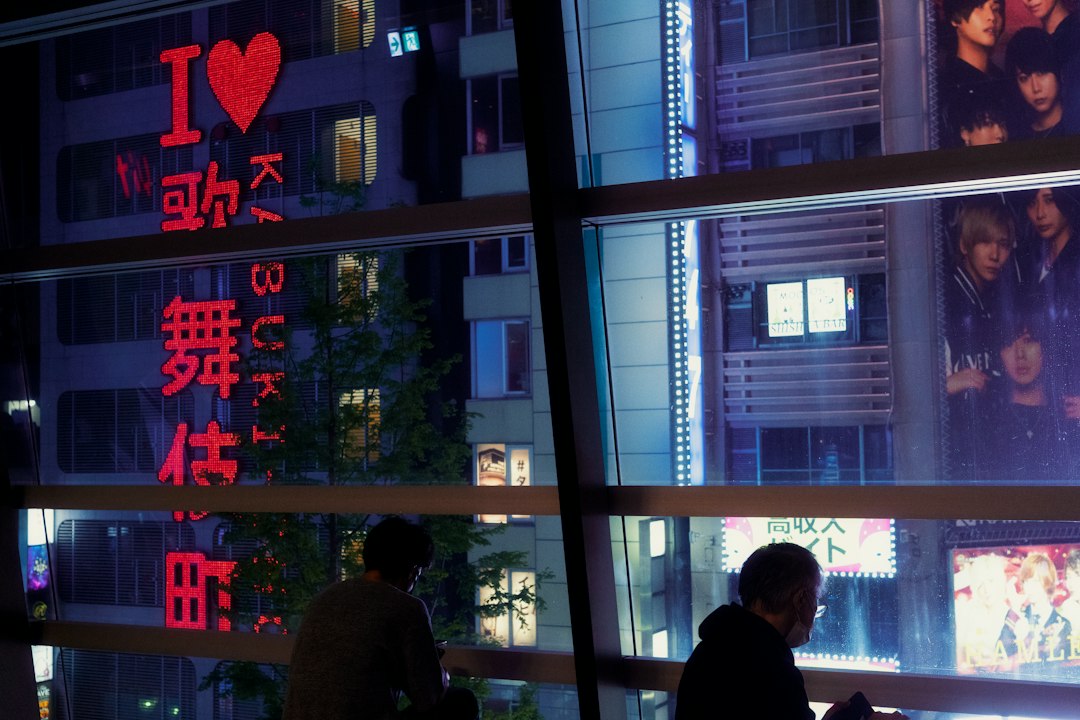
Photo by ayumi kubo on Unsplash