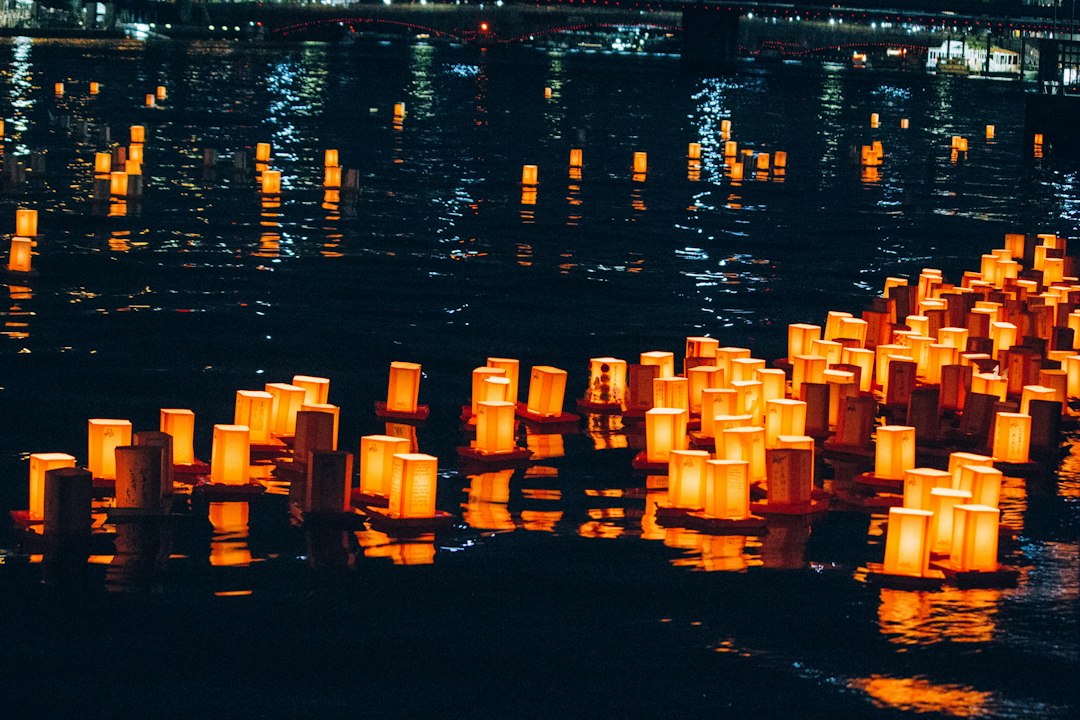
The Takayama Sanno Matsuri happens every year on April 14 and 15, rain or shine, centered on Hie Jinja shrine in the Shimo-ichinomachi neighborhood of Takayama’s old town. If you’re planning around it, the single most important thing to know is that the night festival — the lantern-lit float parade everyone photographs — only happens on the evening of April 14, roughly 18:30 to 21:00. April 15 is a quieter, daytime-only affair. Mix those two dates up and you’ll miss the part you actually came for.
When and Where It Actually Happens
Sanno Matsuri is the spring festival of Hie Jinja, and it’s distinct from Takayama’s other big festival, the Hachiman Matsuri in October (based at Sakurayama Hachimangu on the opposite side of town). The spring festival floats — twelve in total, though not all are displayed every year due to restoration rotations — are pulled through the streets around Hon-machi dori, Kami-ninomachi, and the area in front of the Takayama City Office. This is about a 15-minute walk from JR Takayama Station, heading east across the Miyagawa river.
Day One (April 14): Mikoshi Departure and Karakuri Shows
The day starts around 9:30-10:00 with a procession from Hie Jinja — priests, shrine maidens, and a mikoshi (portable shrine) carried through town, followed by men in Edo-period costume. Alongside this, the yatai (festival floats) are stationed along the main streets from roughly 9:00 to 16:00 for public viewing. The star attraction is Hoteitai, one of the few floats in Japan whose karakuri (mechanical puppet) performs an actual backflip — a puppet somersaults through the air and lands on the shoulders of another puppet holding a folding fan. Performances happen about three times during the day, usually around 11:00, 14:00, and 15:30, at the otabisho (the shrine’s resting place) on Hon-machi dori. Arrive at least 20 minutes early if you want a front-row spot; the viewing area is narrow and fills up fast once a performance is announced over the loudspeaker.
The Night Festival (Yomatsuri): April 14 Evening Only
This is the part worth planning your whole trip around. Starting around 18:30, four of the yatai are lit with roughly 100 paper lanterns each and pulled slowly through the darkened streets to traditional flute and drum music. The route runs along Hon-machi and loops near the Takayama Jinya area before the floats are put away for the night around 20:30-21:00. There’s no entrance fee and no fixed seating — everyone stands along the roped-off route — but the sidewalks on Hon-machi dori get packed shoulder to shoulder at least an hour before the parade starts. If it’s raining even lightly, the night parade is frequently cancelled outright, since the lanterns and wooden structures can’t get wet; check the loudspeaker announcements or ask at your accommodation around 17:00 for a go/no-go decision.
Day Two (April 15): A Calmer Morning
April 15 is mostly a scaled-down repeat of day one’s daytime schedule — the mikoshi procession returns to Hie Jinja, floats are displayed again until early afternoon, and there are usually two or three more karakuri performances. Crowds are noticeably thinner than April 14, which makes it a better day if you actually want to get close to the floats and photograph the carved wood and metalwork details rather than fight for sightlines.
Best Spots to Watch the Floats
For the karakuri shows, stand on the Hon-machi dori side facing the otabisho rather than behind the barrier closer to the shrine gate — the puppet stage faces outward toward the street. For the night parade, the stretch near the Takayama City Office tends to be slightly less crowded than the section right by Nakabashi bridge, where most tour groups congregate for photos with the river in the background. If you want the classic lantern-reflection-in-the-river shot, get to Nakabashi by 18:00 at the latest.
Getting to Takayama for the Festival
The JR limited express Hida connects Nagoya to Takayama in about 2 hours 15 minutes, running roughly 10 times a day, and continues on to Toyama (about 1.5 hours from Takayama in the other direction). Reserved seats sell out days in advance for the April 14 evening trains back toward Nagoya, so book through the JR website or a staffed ticket counter as soon as your dates are fixed — standing in the aisle for two hours after a long day of festival-watching is not fun. From Takayama Station, it’s a flat 15-minute walk to the festival area; no bus or taxi is necessary unless you’re carrying heavy luggage.
Where to Stay (and Why You Need to Book Months Ahead)
Takayama has limited lodging for a town this famous, and Sanno Matsuri weekend sells out six to twelve months in advance, especially traditional ryokan like Honjin Hiranoya Kachoan near the old town. Expect rates to jump 30-50% above normal — figure ¥20,000-¥40,000 per person per night for a mid-range ryokan with dinner included during the festival, versus ¥10,000-¥15,000 on an ordinary weekend. If Takayama itself is full, Hida-Furukawa (one stop north on the Takayama Line, about 15 minutes by local train) usually has more availability and is a reasonable base.
Food Around the Festival Grounds
Street stalls line Kokufu-dori and the area near Nakabashi bridge selling Hida beef nigiri-style skewers (around ¥500-¥800 each) and mitarashi dango. For a sit-down meal before the night parade, the Miyagawa morning market area has small soba and ramen shops that stay open later than usual during the festival — Kyoya, a well-known soba restaurant near the Takayama Jinya, is a reliable option if you want to sit down rather than eat standing in the crowd.
One Thing Most Guides Don’t Mention: The Rain Rule
If it rains on April 14, the daytime float displays usually still happen (the yatai are kept under clear plastic sheeting and you can still see them, just not pulled through the street), but the night parade is called off more often than people expect — this happens in roughly one out of every three or four years based on recent patterns. There’s no official rain date; it simply doesn’t happen that year. If seeing the illuminated yatai parade is your main reason for the trip, build in flexibility by checking the extended forecast about a week out and, if possible, choose accommodation with a cancellation policy rather than prepaying non-refundable rates months in advance.
Photo by Atul Vinayak on Unsplash