If you’re flying into New Chitose Airport for a Niseko trip over the New Year period, the single most important packing decision isn’t your jacket — it’s your footwear for walking around Hirafu village itself. The main street between Hirafu Koban and the Odin Place area turns into a sheet of packed ice by mid-December, and ski boots or sneakers will have you on the ground within a day. Pack or buy boots with built-in ice grips, or carry a set of slip-on ice cleats (sold at the Lawson on Hirafu-zaka for around ¥1,500). That one item solves more problems than anything else on this list.
Niseko in late December and January runs daytime highs of -3°C to -6°C and nighttime lows of -10°C to -15°C, with wind chill at the exposed Hanazono and Annupuri ridgelines dropping it another 5-8 degrees. This is colder and windier than most of Honshu’s ski areas (Hakuba, Nozawa), so a Niseko-specific layering system matters more than generic “Japan winter” advice.
The Layering System That Actually Works in Niseko
Three layers, not two, and all synthetic or merino — cotton is useless here because it stays wet once you sweat climbing in powder.
Base layer
- Merino wool or polyester long-sleeve top and bottoms (Uniqlo HEATTECH is fine for town, but too thin for actual riding days — bring a dedicated ski base layer like Smartwool or Mont-bell’s Zeo-Line)
- Pack two sets minimum; base layers get damp and you won’t want to re-wear a wet one the next morning
Mid layer
- A thin fleece or synthetic puffy (Patagonia Nano-Air or similar) — avoid down for the mid layer since you’ll overheat on bootpacks into Hanazono’s gates
Outer shell
- A genuinely waterproof (not just water-resistant) Gore-Tex or equivalent jacket and pants rated 20,000mm+ — Niseko’s snow is dry powder most days but spring-like wet snow does happen in late March, and the Hanazono side gets more wind-driven snow than Hirafu
- If you don’t own gear, renting is normal and cheap here: Rhythm Niseko (183-1 Yamada, Hirafu, open 8:00am-7:00pm) rents full outerwear sets for roughly ¥3,500-5,000/day, and it’s genuinely faster than checking bulky luggage on an international flight
Hands, Head, and Feet — Where People Under-Pack
Mittens outperform gloves below -10°C, and Niseko regularly sits at or below that overnight and on exposed lifts like the Hanazono Chair. Bring a glove liner plus an outer mitten so you can adjust. Pack disposable toe and hand warmers (sold everywhere as “kairo” at Seicomart and Lawson, roughly ¥150-250 for a pack of 10) — locals use these constantly and so should you, especially on the Grand Hirafu Gondola which has a slow, exposed loading area.
For your head: a thin balaclava or neck gaiter is non-negotiable on powder days when you’re riding tree runs in Strawberry Fields or the Hanazono backside — spindrift gets into any gap in your neck seal. Goggles should be a mid-tint or low-light lens since Niseko gets genuinely flat, grey-sky days where a dark lens is useless; pack a spare lens or a second pair, because lens fogging in the -15°C gondola-to-outside temperature swing is common.
Boots and socks
- One pair of thick ski-specific socks per day (not two pairs stacked — that restricts circulation and makes feet colder, a mistake first-timers make constantly)
- Separately from ski boots, bring genuinely insulated, grippy winter boots for village life — you’ll be walking to dinner in Hirafu or to the Yu Hinata/Yukoro Onsen at night in -10°C
What to Rent in Niseko Instead of Packing
Don’t fly with skis, a board, boots, or a helmet unless you own high-end personal gear you’re particular about. Niseko’s rental infrastructure is some of the best in Japan:
- Rhythm Niseko (Hirafu) — full ski/board package roughly ¥5,000-8,000/day depending on demo level, online pre-booking discount available
- Niseko Sports — multiple branches across Hirafu and Annupuri, good for last-minute gear swaps if conditions change
- Ski Rental Japan — delivers gear to your accommodation before arrival, useful if you’re coming straight off the bus from New Chitose and don’t want to detour into the village first
Helmet rental is standard (~¥1,000-1,500/day) and genuinely worth it — tree well and powder-day visibility accidents are the most common injury type reported by the Niseko ski patrol, not high-speed collisions.
Getting There Affects What You Pack
Most travelers take the New Chitose Airport to Niseko direct bus (Niseko Chuo Bus or Donan Bus), roughly ¥4,500-5,000 one-way, journey time 2.5-3 hours. During the December 28-January 3 peak, these buses sell out days in advance, so reserve online through the Niseko Welcome Center before you fly. The alternative — JR rapid Airport train to Otaru (about 70 minutes) then a local Hakodate Main Line train to Kutchan Station (another 70 minutes), followed by a taxi or shuttle to Hirafu — involves more platform-to-platform transfers in the cold with luggage, so pack a day bag with your layers accessible rather than burying everything in a checked suitcase. If you’re doing this route, use a luggage forwarding service (takkyubin, around ¥2,000-3,000 per large bag) from the airport to your Niseko accommodation and travel light for the transit day itself.
New Year Crowds and Timing
Late December through January 3 is Niseko’s single busiest and most expensive week — Australian and increasingly Southeast Asian and Hong Kong family groups book this period a year in advance, and lift lines at the Grand Hirafu Gondola base can run 20-30 minutes on powder mornings. If your dates are flexible, the first two weeks of February often have better snow totals with thinner crowds than New Year week. If you’re set on being here for New Year itself, pack patience along with your gear — and know that most restaurants in Hirafu (Kamimura, Raku, Bang Bang) require reservations made weeks ahead for the Dec 30-Jan 2 stretch.
Small Things That Make a Real Difference
- A universal plug adapter and portable charger — Hirafu’s gondola base and most restaurants have patchy heated waiting areas where your phone battery drains fast in the cold
- A dry bag or large ziplock for wet gloves and socks going into your luggage on travel days
- Lip balm and a basic moisturizer — Niseko’s air is drier than coastal Japan and combined with wind it cracks skin fast
- A small towel for onsen visits — most ryokan-style onsen like Goshiki Onsen provide towels, but some smaller public baths charge ¥200-300 for rental if you don’t bring your own
One last practical warning: Niseko’s self-service laundry situation is limited and often booked out in peak season (most condos have one shared machine per building), so don’t assume you can wash base layers mid-trip. Pack enough technical layers for the full length of your stay rather than planning to launder halfway through — it’s the one logistics mistake that catches repeat visitors off guard every single year.
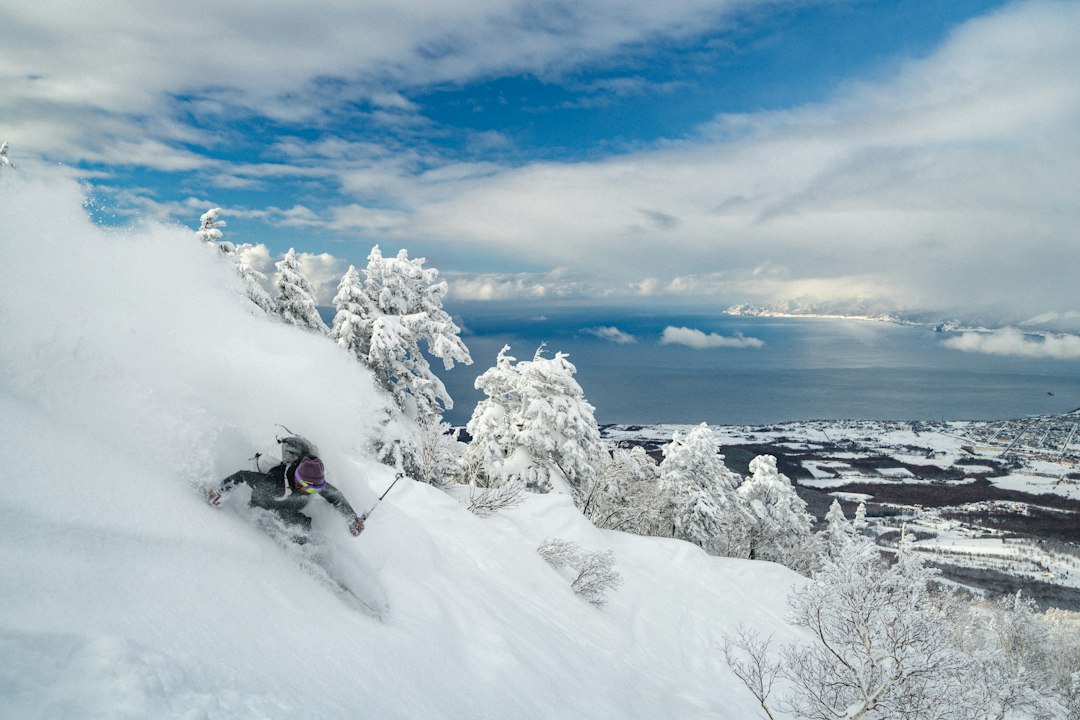
Photo by Jeremy Bishop on Unsplash