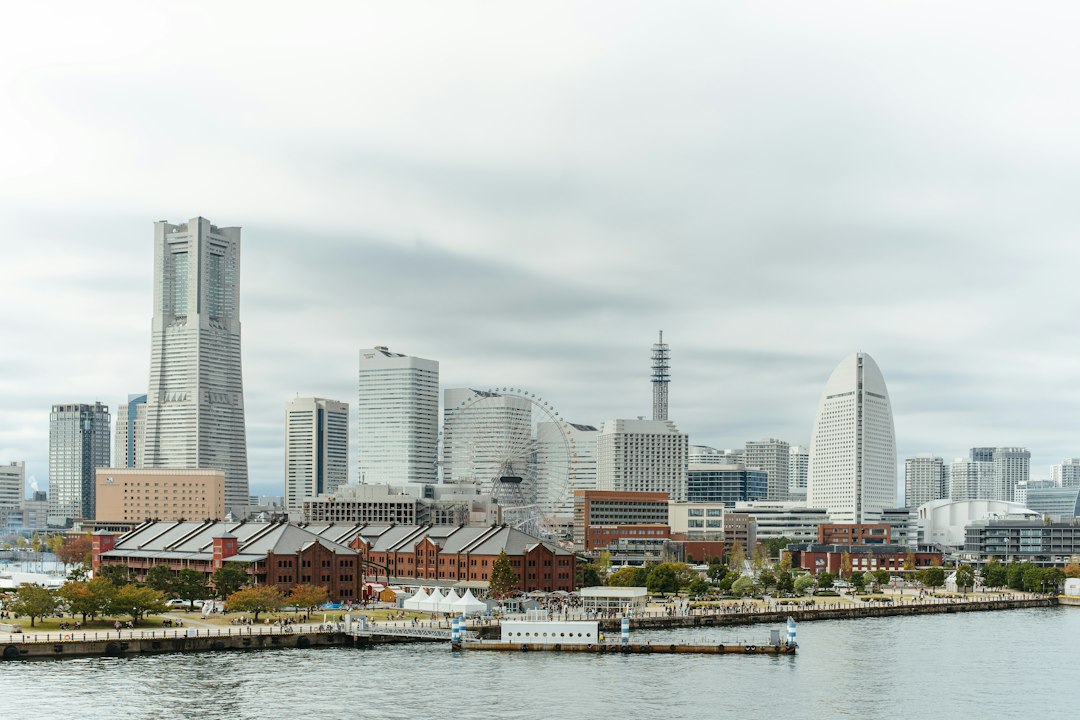
The fastest way to Yokohama from central Tokyo is the JR Tokaido Line from Tokyo Station to Yokohama Station — 25 minutes, around ¥480 one-way, covered by the JR Pass if you still have one. If you’re starting from Shibuya or Shinjuku, skip the transfer headache and take the Tokyu Toyoko Line, which runs directly onto the Minatomirai Line and drops you at Motomachi-Chukagai Station (right by Chinatown) in about 40 minutes for roughly ¥320. From Shinagawa, the Keikyu Line limited express reaches Yokohama Station in 17 minutes for about ¥300. None of these require reservations — just tap in with Suica or Pasmo and go.
How much time you actually need
A full day (9am–7pm) covers Minato Mirai, Yamashita Park, and Chinatown comfortably with time for one proper meal and one museum stop. If you try to add Sankeien Garden, which sits outside the main waterfront cluster, you’re looking at a 10-11 hour day. I’d rather do Sankeien as a half-day trip on its own than rush it after Chinatown — the garden rewards slow walking, not a 45-minute dash before closing.
Minato Mirai: the waterfront core
Get off at Minatomirai Station (Minatomirai Line) and you’re two minutes from the Cup Noodles Museum — adults ¥500, open 10:00–18:00 (last entry 17:00), closed on Tuesdays. The My CUPNOODLES Factory workshop where you design your own cup costs an extra ¥500 and sells out by early afternoon on weekends, so book the timed ticket online the morning you arrive if you want it.
From there it’s a flat 10-minute walk to Yokohama Red Brick Warehouse (Akarenga Soko) — two converted 1911 customs buildings, free to enter, with shops open 11:00–20:00 and restaurants until 22:00. The open lawn between the warehouses and the harbor is where locals actually hang out on weekends rather than tourists, which makes it a decent spot to sit with a canned coffee and watch the Cosmo Clock 21 ferris wheel in the Cosmo World amusement park next door (rides are pay-per-ride, roughly ¥300-800 each, no entry fee to the park itself).
If you want the skyline view, Landmark Tower’s Sky Garden observatory on the 69th floor costs ¥1,000 for adults and is open 10:00–21:00 — cheaper and usually less crowded than Tokyo’s major towers, and on a clear winter morning you can see Mt. Fuji to the west.
Yamashita Park and Osanbashi Pier
Walk south along the waterfront promenade (about 20 minutes from Red Brick Warehouse, or take the free Minato Mirai shuttle bus) to Yamashita Park, a narrow strip of harbor-front green space built in 1930 using rubble from the Great Kanto Earthquake. The retired ocean liner Hikawa Maru is permanently docked here and open for ¥300 self-guided tours. A few minutes further is Osanbashi Pier, Yokohama’s actual working cruise terminal — the rooftop deck is open to the public 24 hours, free, and is genuinely one of the better night-view spots in the city since almost no tourist information mentions it.
Chinatown (Yokohama Chukagai)
Exit at Motomachi-Chukagai Station and you’re at the Zenrin-mon gate within a minute. This is the largest Chinatown in Japan, roughly 500 meters across, packed with over 200 restaurants on a few parallel streets. Heichinrou, founded in 1884 near the Kanteibyo temple, is the oldest restaurant in the district and does a reasonably priced lunch set (around ¥1,500-2,000) of the same Cantonese dishes that cost double at dinner. For street food, skip the queue-heavy pork bun stalls on the main Chukagai Odori and look one street over for the smaller xiao long bao counters — shorter lines, same quality. Most shops close around 21:00-22:00, and the whole district gets noticeably quieter after 8pm on weeknights.
If you have an extra hour
The Yokohama Foreign General Cemetery (Gaijin Bochi) sits on a hill above Chinatown near Motomachi shopping street — it’s a quiet, slightly melancholic contrast to the food crowds below, with graves dating back to the 1854 opening of the port. Entry to the grounds is free, though the small museum charges ¥200.
Sankeien Garden — the part most guides skip
This is a 175,000 square meter Japanese garden built by a silk trader in 1906, relocated historic buildings included, and it doesn’t get the crowds Minato Mirai does because it’s inconvenient to reach without a car. From Yokohama Station East Exit, take bus 8 or 58 (about 35 minutes) to the Honmoku stop, or go via JR Negishi Line to Negishi Station and catch a bus from there (about 13 minutes). Entry is ¥900 for the outer garden, ¥1,200 if you add the inner garden with the relocated three-story pagoda. Open 9:00–17:00, last entry 16:30. Late November for autumn foliage or early April for plum and cherry blossoms are the two windows when it’s actually worth the detour.
Where to eat beyond Chinatown
Yokohama’s other signature dish is actually ramen, but the famous Shin-Yokohama Ramen Museum is nowhere near the waterfront — it’s by Shin-Yokohama Station on the Blue Line/Green Line, about 15 minutes from Yokohama Station by train, and really deserves its own trip rather than being squeezed in. For a waterfront lunch, the second floor of the World Porters mall near Red Brick Warehouse has a decent food court with Yokohama-style shumai (siu mai) from Kiyoken, the local brand sold in bento boxes at every station kiosk in the city for about ¥500-900.
A few things that will actually trip you up
The Minatomirai Line is run by a different company than JR, so your JR Pass won’t cover it — budget separate fare of ¥180-320 per ride. Weekends bring serious crowds to Red Brick Warehouse and Chinatown from around 11am, so if photos without crowds matter to you, aim to hit Minato Mirai first thing when it opens instead of saving it for the afternoon. Coin lockers at Yokohama Station fill up fast on weekends — the ones at Minatomirai Station or inside Queen’s Square mall are a more reliable backup. And if you’re coming back to Tokyo in the evening, the last Tokyu Toyoko Line direct trains to Shibuya run until around midnight, but the Tokaido Line back to Tokyo Station thins out noticeably after 11pm, so don’t cut it too close if you’re relying on that route.
Photo by bady abbas on Unsplash