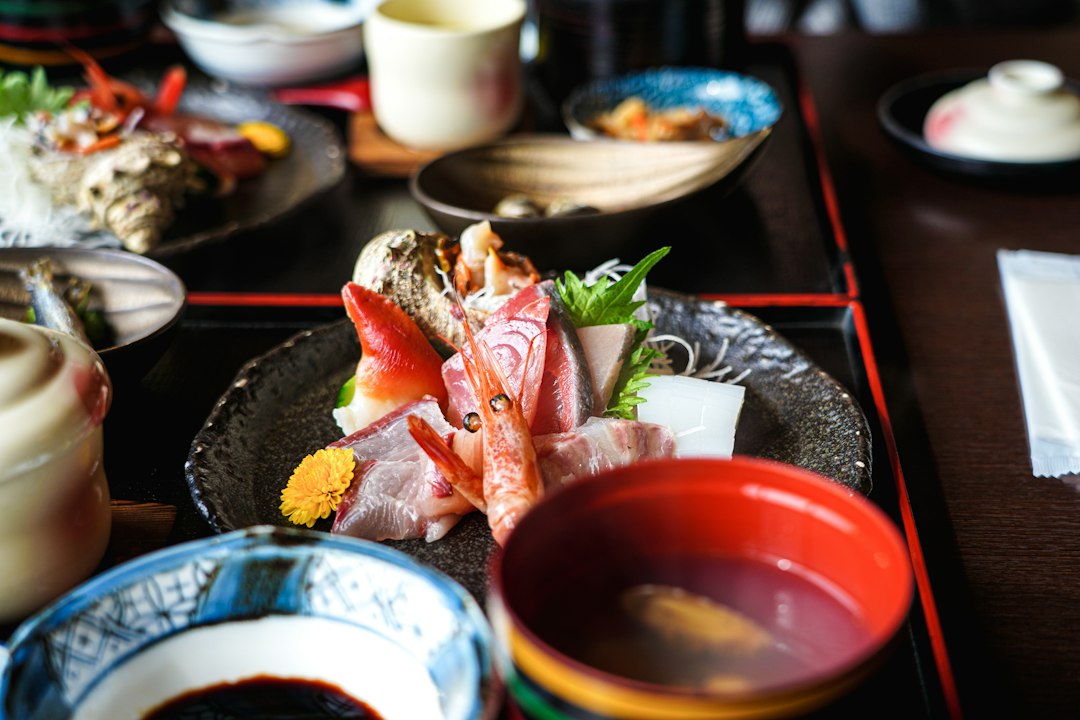
A private chef kaiseki dinner in Osaka typically runs ¥18,000 to ¥45,000 per person depending on course length, ingredient grade (wagyu or uni add-ons push it higher), and which platform you book through. TripleLights, Byfood, and airKitchen list the widest range of hosts, but the better chefs — the ones who actually ran the counter at a place like Kashiwaya in Edobori or Hajime in Fukushima before going independent — get booked out three to four weeks ahead, especially for Friday and Saturday evening slots in Kitashinchi apartments. If you’re planning around a specific date, lock it in before you book flights.
What You’re Actually Paying For
This isn’t a restaurant reservation. A private chef kaiseki booking usually means a chef and sometimes one assistant arrive at a rented machiya townhouse or serviced apartment with ingredients already sourced, set up a portable induction burner or use the kitchen on site, and cook each course in front of your table over roughly two and a half to three hours. Compared to Kyoto-style kaiseki, which leans formal and seasonal almost to the point of ritual, Osaka chefs tend to loosen the format a bit — it’s not unusual to get a playful amuse-bouche riffing on takoyaki or a miniature okonomiyaki course tucked between the sashimi and the grilled fish, a nod to the city’s self-styled identity as the capital of kuidaore, or “eating yourself bankrupt.”
Where These Dinners Actually Happen
Three neighborhoods come up constantly when you look through host listings. Kitashinchi, the old geisha quarter just north of Umeda and a one-minute walk from Kitashinchi Station on the JR Tozai Line, has the highest concentration of renovated machiya suited to this kind of booking — narrow frontage, tatami back room, small but workable kitchen. Honmachi and Minami Semba get used for larger groups because the serviced apartments there tend to have newer, bigger kitchens, and they’re an easy ride on the Midosuji Line to Honmachi Station. Horie, west of Shinsaibashi around the quieter stretch near Tachibana-dori, is popular for couples wanting something residential and low-key; from Yotsubashi Station exit 6 it’s about a five-minute walk in.
What’s Actually on the Table
A standard run goes sakizuke (a small seasonal starter), owan (a clear dashi soup, and Osaka cooks lean harder on kombu dashi than the bonito-forward style you’ll get in Tokyo), sashimi using Setouchi fish like sea bream or horse mackerel, a yakimono grilled course that in summer is almost always hamo pike eel, a nimono simmered dish, a shokuji rice course sometimes served as kamameshi cooked tableside in a small iron pot, and a simple seasonal dessert. Osaka calls itself “tenka no daidokoro,” the nation’s kitchen, and the dashi-first approach is the one thing that actually separates this from kaiseki you’d get in Tokyo or Kanazawa.
Booking Platforms and the Process
Byfood (formerly Voyagin), TripleLights, airKitchen, and Klook all list private chef kaiseki experiences in Osaka, with host profiles, sample menus, and reviews attached. Expect a deposit of 30 to 50 percent at booking, and read the cancellation terms closely — most hosts won’t refund anything inside 72 hours of the dinner because ingredients get bought the morning of, often at Kuromon Ichiba Market near Nippombashi Station on the Sennichimae Line. Several hosts now bundle a 45-minute walking tour of Kuromon before the dinner for an extra ¥8,000; it’s worth doing for the photos even though the chef is sourcing separately for your actual meal. Submit dietary restrictions and allergies at least two weeks out, not the week before — shellfish and sesame substitutions require different market runs and some chefs simply won’t adjust the menu on short notice.
Language, Group Size, and Practical Logistics
Plenty of chefs who do this circuit regularly have picked up enough working English to narrate the courses, but it’s not universal. If conversation matters to you, ask the platform directly whether an interpreter is included or available as an add-on — it usually runs ¥5,000 to ¥8,000 for the evening. Groups of two to four are the easiest to accommodate in a typical Kitashinchi machiya kitchen; past six people you’ll want to specifically request a Honmachi or Minami Semba listing with a larger kitchen, since cramped cooking space slows the pacing of the whole dinner.
Private Chef vs. Just Booking a Kaiseki Restaurant
The case for the private chef route is privacy, flexible timing, and the ability to take photos freely — most serious counter kaiseki restaurants in Osaka ban or heavily restrict photography, which private dinners don’t. It’s also the better choice for food allergies, since the chef is cooking specifically for your table rather than running a fixed nightly menu. The case against it: per-course ingredient quality at this price point often doesn’t match what you’d get at an actual restaurant counter charging similar money, because you’re also paying for the apartment rental, equipment transport, and the chef’s travel time. If the food itself is the only thing that matters to you, a restaurant seat is usually the better value; if the evening itself — the privacy, the occasion, the conversation — is the point, the private chef format earns its price.
One Thing Worth Checking Before You Book
Ask specifically whether the rented kitchen has air conditioning running during service, not just the main living area. July and August in Osaka run humid enough that a chef working over an open burner in an unventilated kitchen nook will slow the pacing of the whole meal and make the room uncomfortable by the third course. It’s a small question that doesn’t show up in any listing description, but every host will answer it directly if you ask, and it’s the difference between a relaxed three-hour dinner and one where everyone’s eyeing the door by course five.
Photo by Zion C on Unsplash