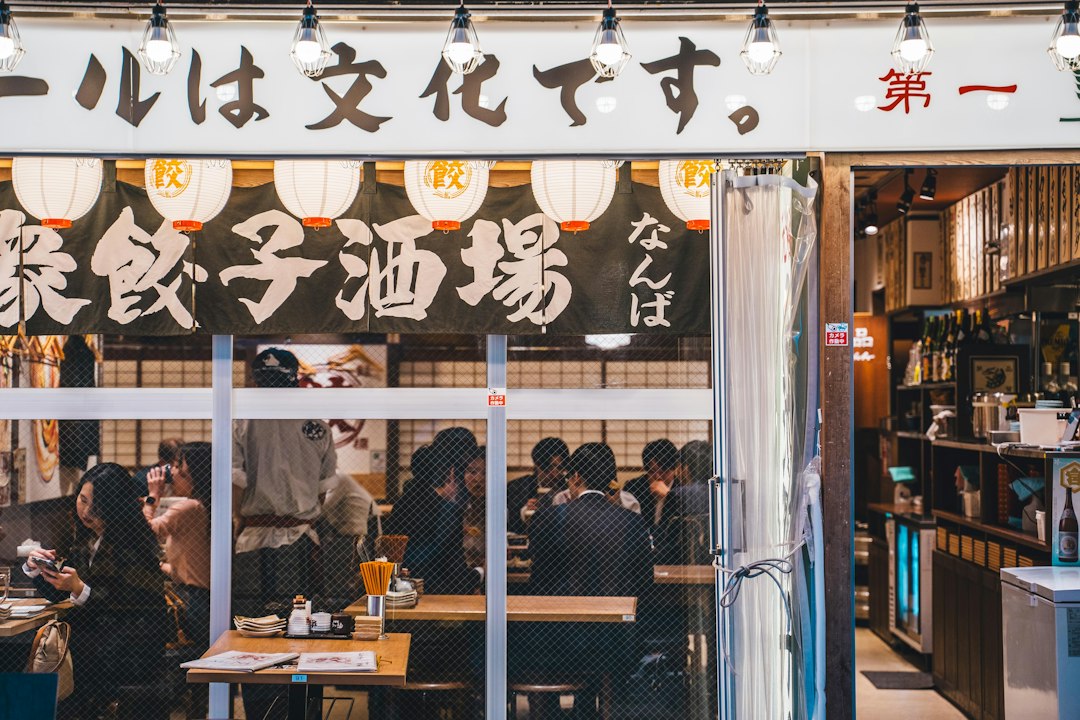
If you walk into an izakaya in February and order edamame because it’s the only word you know, the staff won’t stop you, but you’ll miss shirako ponzu and kaki nabe season entirely. Otsumami in Japan follow the harvest and the fishing calendar far more strictly than restaurant menus abroad, and ordering in sync with the season is the single biggest upgrade you can make to a night of drinking in Tokyo or Osaka. This guide breaks down what to order by season, which drink to pair it with, and where I’ve actually eaten these dishes.
How Seasonal Otsumami Actually Works
Most izakaya run two menus: a laminated year-round list (karaage, edamame, tamagoyaki, yakitori skewers) and a handwritten or chalkboard list of kisetsu no osusume (seasonal recommendations) that changes every few weeks. The seasonal board is where the kitchen actually wants to show off, and it’s usually cheaper per dish relative to quality because it’s whatever the fish market or local farmer is moving that week. At a standard neighborhood izakaya like the ones along Shinjuku’s Omoide Yokocho or under the Yurakucho JR tracks (gado-shita, a five-minute walk from Yurakucho Station’s Central Exit), the seasonal board items typically run ¥500-900, while the printed menu staples sit at ¥400-600.
Spring (March-May): Bitterness and New Growth
Spring otsumami lean bitter and green, built around the concept of sansai (mountain vegetables) and the first catches after winter. Look for nanohana no karashi-ae (rapeseed blossoms with mustard dressing), take no ko (fresh bamboo shoot, usually grilled or in a simmered dish called wakatake-ni with young seaweed), and hotaru ika (firefly squid, often boiled and served with sumiso, a vinegared miso sauce) which peaks from March through early May around Toyama Bay but shows up on Tokyo menus by mid-March. Sakura ebi, tiny pink shrimp from Suruga Bay, gets deep-fried into kakiage fritters this time of year too.
Pairing: the bitterness of nanohana and the funk of hotaru ika want something dry and slightly herbaceous. A junmai ginjo like Dassai 45 served chilled cuts through the sumiso sauce well. If you prefer shochu, a barley (mugi) shochu on the rocks is lighter and won’t fight the bitterness the way a sweeter potato (imo) shochu would.
Summer (June-August): Cold, Vinegared, and Fried
Nobody wants nabe in August, so summer otsumami menus shift to things served cold or quickly fried to order. Hiyayakko (cold tofu with grated ginger, katsuobushi, and scallion) is the default starter at almost every izakaya from June onward, usually ¥350-450. Kawahagi (filefish) sashimi with its own liver mashed into the soy sauce is a summer specialty worth seeking out at fish-focused izakaya; I’ve had a particularly good version at a standing-bar style place near Nakameguro Station on the Tokyu Toyoko Line, about three minutes from the east exit. Edamame is obviously year-round in supermarkets now, but the actual fresh-picked edamame season in Japan is July through September, which is when it tastes noticeably sweeter and the pods are plumper. Also look for umi budo (sea grapes, a bubbly seaweed from Okinawa) and moroko or ayu (sweetfish) shioyaki, salt-grilled whole and eaten bones and all if small enough.
Pairing: summer is beer country, specifically nama biru (draft) in the 350-500ml glass sizes most izakaya pour for ¥500-600. For something more seasonal, reach for a chilled namazake (unpasteurized sake) — it has a livelier, slightly carbonated edge that matches cold hiyayakko and sashimi better than a standard pasteurized honjozo.
Autumn (September-November): Rich, Fatty, and Smoky
Autumn is the best season to be an otsumami eater in Japan, full stop. Sanma (Pacific saury) shioyaki is the headline dish — a whole fish salt-grilled and served with grated daikon and a wedge of sudachi citrus, typically ¥700-900 depending on the catch that week and noticeably more expensive in years when the sanma haul is poor. Matsutake dobin-mushi, a clear dashi broth with matsutake mushroom steamed in a small teapot and sipped with a squeeze of sudachi, shows up at the pricier end of izakaya menus (¥1200-2000) because matsutake is genuinely expensive even in Japan. More affordable autumn mushroom options include maitake or shimeji tempura. Kaki (persimmon) sometimes appears wrapped in prosciutto as a modern izakaya twist, and kuri (chestnut) gets simmered into kuri gohan rice dishes served as a late-meal carb.
Pairing: the oiliness of sanma and the umami of matsutake dashi both do well with a warmed (atsukan) junmai sake rather than cold — the warmth brings out roasted, nutty notes that complement grilled fish. Hiyaoroshi, a style of sake released specifically in autumn after one round of pasteurization and aged through summer, is brewed for exactly this pairing and is worth asking for by name.
Winter (December-February): Nabe, Shellfish, and Fugu
Winter otsumami center on two things: hot pot and oysters. Kaki (oyster) season runs roughly November through February, and kaki furai (deep-fried breaded oysters) or kaki nabe (oyster hot pot with miso) are the dishes to order — a half-dozen kaki furai usually costs ¥900-1300. Shirako, the milt (soft roe) of cod or anglerfish, is a winter-only item that divides people; served ponzu-style or lightly grilled, it has a custardy texture that regulars specifically wait all year for. If you’re at a higher-end izakaya in a place like Fukuoka’s Nakasu district, this is also fugu (pufferfish) season, usually served as tessa (thin sashimi slices) for ¥1500-3000 depending on the shop and grade. Nabe itself — motsunabe (offal hot pot), especially in Fukuoka, or a simple yudofu (hot tofu) in Kyoto — functions as both otsumami and a light meal to close out a drinking session.
Pairing: warmed sake again, but go for a slightly richer junmai or even a kimoto-style brew with a more sour, deeper flavor profile that stands up to miso-based nabe broth. For shirako and oysters, a crisp, cold junmai daiginkgo like Kubota Senju resets the palate between bites rather than competing with the richness.
Ordering Strategy at the Counter
If you’re unsure what’s in season, the fastest shortcut is to ask the staff directly: “Ima no osusume wa nan desu ka?” (What do you recommend right now?). Most izakaya staff will point at the handwritten board without you needing to read it. Order two or three otsumami at a time rather than all at once — kitchens are small and dishes come out staggered, so pacing your order every 15-20 minutes keeps food arriving hot rather than piling up cold on the table. A typical two-person night of five to six otsumami dishes plus four drinks runs roughly ¥4000-6000 per person at a mid-range izakaya, less at standing bars (tachinomi) where seats aren’t guaranteed but prices drop by 20-30%.
One Thing to Watch For
Seasonal pricing isn’t fixed, and it swings with the actual catch — a bad sanma year can nearly double the price of that one dish within a single autumn, and some izakaya quietly swap it for sawara (Spanish mackerel) instead without updating the handwritten board font size, so the item looks the same but costs more or is a different fish entirely. If a seasonal item seems unusually cheap or unusually expensive compared to what I’ve listed above, it’s worth asking before ordering rather than assuming the printed price is current — handwritten boards get updated inconsistently, especially at smaller, family-run spots.
Photo by Roméo A. on Unsplash