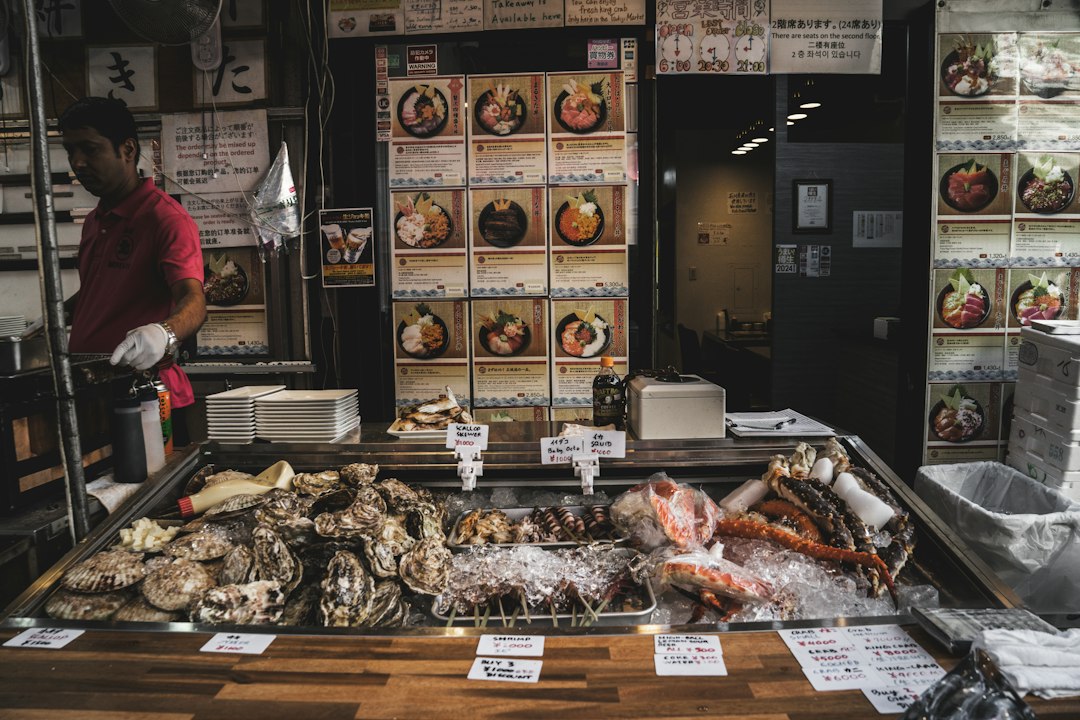
If you’re trying to time a trip around Shimane’s oysters, the single most important thing to know is that there are two completely different seasons and two completely different oysters, and they’re not interchangeable. Summer means iwagaki (rock oysters) from the Oki Islands, eaten raw and the size of your fist. Winter means magaki (regular oysters) from the Shimane Peninsula coast near Mihonoseki, usually grilled at a kakigoya hut. Book the wrong month and you’ll miss the point entirely.
Two Oyster Seasons, Two Completely Different Experiences
Iwagaki season on the Oki Islands runs roughly from May through August, peaking in June and July when the brewery and fishing co-ops run the annual Oki Iwagaki Festival in Okinoshima Town. These oysters are farmed on long-lines in deep, cold water for two to three years, which is why a single one can weigh 300-500 grams - noticeably bigger and firmer than the magaki you’d get in Hiroshima or Hyogo. They’re served raw, usually with a wedge of sudachi citrus or a light ponzu, not heavy sauce, because the point is tasting the oyster itself, which has a sweeter, cleaner finish than winter oysters.
Magaki season runs from December through February, with January being the fattest, creamiest month. These come from aquaculture rafts in the calmer waters around Mihonoseki and the Nakaumi lagoon on the Shimane Peninsula, and they’re almost always cooked - grilled over charcoal at roadside kakigoya huts, steamed, or turned into kaki-nabe (oyster hot pot) with miso at home-style restaurants in Matsue.
Getting to Shimane’s Oyster Country
Most people fly into Yonago Kitaro Airport in neighboring Tottori Prefecture, then take the limousine bus to JR Matsue Station (about 40-45 minutes, ¥970). From Osaka, the overnight Sunrise Izumo sleeper train from Tokyo or the Yakumo limited express from Okayama (about 2 hours 40 minutes, roughly ¥7,000 one way) both terminate at Matsue. Matsue Station is your base for everything in this guide - the Ichibata Dentetsu private rail line also runs from right next to JR Matsue Station out to Matsue Shinjiko Onsen Station in about 5 minutes, which is useful if your hotel is on the lake side.
Matsue City: Where to Start Eating
Before chasing oysters out to the islands, spend an evening in Matsue itself. Matsue Marche, the food complex directly beside JR Matsue Station’s north exit, has a ground-floor seafood section where local fishmongers sell whatever came in that morning, including magaki in winter - useful for a reality check on what’s actually in season and current pricing (expect ¥150-300 per raw oyster at market stalls versus ¥500-900 at a sit-down restaurant). For a proper sit-down meal, the Karakoro Hiroba area along the Horikawa canal, a five-minute walk from Matsue Castle, has several kappo-style restaurants that put oysters on the menu whenever they’re in season, usually as part of a multi-dish kaiseki set running ¥4,000-6,000.
The Oki Islands Day Trip for Fist-Sized Iwagaki
This is the one worth planning around. From Matsue Station, take the Ichibata Bus bound for Shichirui Port (about 25 minutes, roughly ¥520), where Oki Kisen runs ferries out to the Oki Islands. The high-speed boat Rainbow Jet reaches Saigo Port on Dogo Island in about 1 hour 15 minutes (around ¥7,000 round trip); the car ferry takes closer to 2 hours 40 minutes but is cheaper and lets you watch the Sea of Japan open up from the deck. Once in Okinoshima Town, ask at the Saigo Port tourist counter for a current list of kakigoya and seafood restaurants doing iwagaki that week - the exact shops rotate by season and some only open on weekends outside peak summer. Expect to pay ¥700-900 per raw oyster individually, or ¥3,500-4,500 for a set of five to six with a side of local Oki beef or sashimi. If you can only do this as a day trip, catch the first morning ferry (typically around 7:00-8:00am depending on the season) so you have at least four hours on Dogo before the return boat.
Winter Oyster Huts Near Mihonoseki
If you’re visiting in December through February, skip the ferry and head instead toward Mihonoseki at the tip of the Shimane Peninsula, about 50 minutes by car or local bus from Matsue Station. This small fishing port has a cluster of seafood shacks where you grill your own magaki over a charcoal brazier at the table, usually as an all-you-can-eat course for 70-90 minutes running ¥2,500-3,800 per person. The shells are thinner and the meat is smaller than Oki’s iwagaki, but the flavor is concentrated and briny in a way that holds up well to simple grilling - no sauce needed beyond a squeeze of yuzu. Mihonoseki itself is also home to Mihojinja Shrine, one of the two head shrines (with Izumo Taisha) dedicated to Ebisu, the god of fishermen and good fortune, so it’s worth the extra half hour even if the oyster hut has a queue.
What to Drink With It
Shimane is serious sake country, and pairing it with oysters locally rather than ordering a generic draft beer is worth the extra effort. Gassan Shuzo, a brewery in Hirata (about 30 minutes from Matsue by car, near Izumo), has supplied sake to Izumo Taisha for generations and offers short tours plus tastings most weekday afternoons; their junmai styles are dry enough to cut through the richness of winter magaki without overpowering the lighter, sweeter iwagaki. If you’d rather stay in Matsue, several izakaya around the Kyomise shopping arcade carry small-batch Shimane sake by the glass for ¥500-800, so you can compare two or three breweries in one sitting.
Practical Notes Before You Go
A few things that catch people out: ferry schedules to the Oki Islands are reduced in winter and can be cancelled on short notice if the Sea of Japan gets rough, so build a buffer day into your itinerary if you’re set on iwagaki and traveling outside July-August. Also, oyster availability at any single restaurant depends entirely on the morning catch - calling ahead, even just to ask “is iwagaki in today” (iwagaki wa arimasu ka), will save you a wasted trip more often than you’d expect. Finally, if you have any shellfish sensitivity, note that Japanese kitchens generally serve oysters rare to fully raw by default unless you specifically ask for them well-cooked (yoku yaite kudasai), which matters more here than in most of Japan given how central raw iwagaki is to the whole experience.
Photo by Alexandre Valdivia on Unsplash