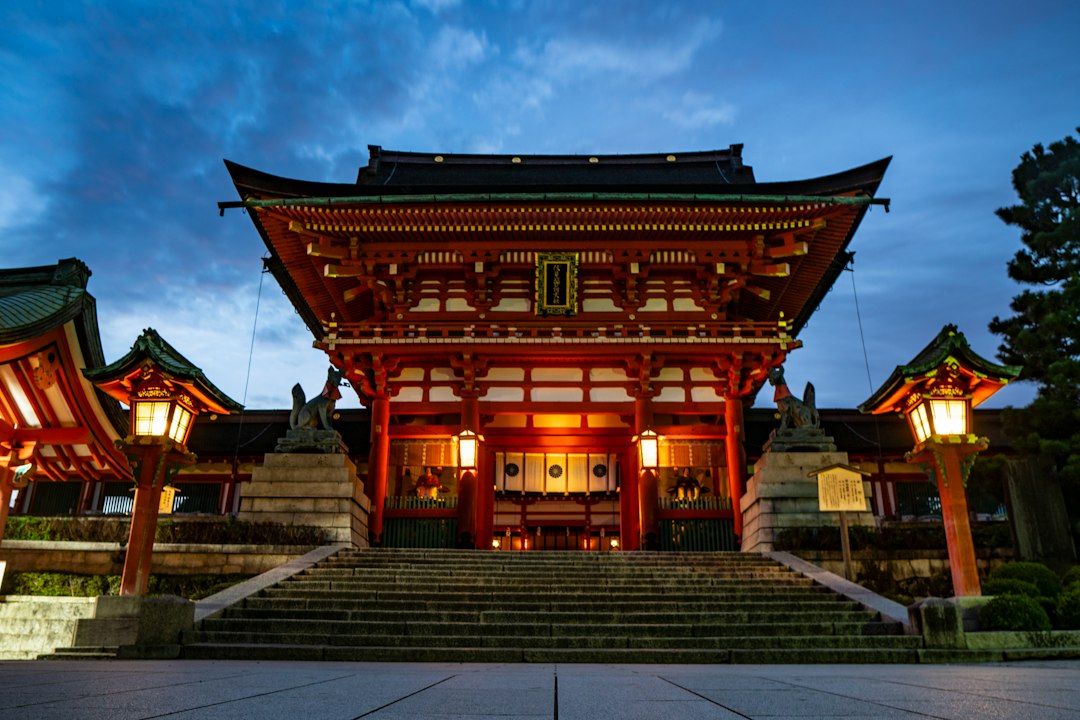
If you want to actually stand in a temple courtyard and hear a 74-ton bronze bell being struck 108 times while eating buckwheat noodles beforehand, here is the one thing to know first: at Chion-in in Kyoto’s Higashiyama district, 17 monks physically haul the rope together to swing the log that strikes the bell, and the ringing starts around 10:40 PM on December 31st, finishing well after midnight. You don’t need a reservation to watch from the courtyard — just warm clothes and a spot near the bell tower before 10 PM, because by 10:30 the slope leading up from Gion-Shijo Station on the Keihan Line (about a 10-minute walk) is already packed.
What Joya no Kane Actually Is
Joya no Kane (除夜の鐘) means “the bell of the night watch,” and the number 108 refers to the bonno — the earthly desires or defilements in Buddhist teaching that are said to cause human suffering. Temples across Japan strike their main bell 108 times between late on December 31st and shortly after midnight on January 1st, with the idea that each strike clears away one of these desires before the new year starts clean. The exact timing varies by temple: some finish all 108 strikes just before midnight, others deliberately time the last strike to land after 12:00 AM so the final toll welcomes the new year directly.
Where to Actually Go and Watch (or Ring)
Not every temple lets the public hit the bell, and the ones that do have different systems:
- Chion-in (Kyoto) — Free to watch from the courtyard, no ticket needed, but you won’t get to strike it yourself; that’s reserved for the trained monks. Nearest stop: Gion-Shijo (Keihan Line) or a 15-minute walk from Higashiyama Station on the Tozai subway line.
- Zojoji (Tokyo) — Right next to Tokyo Tower in Shiba, this temple’s bell is one of the historic “Ten Bells of Edo.” Ringing starts around 11 PM, free and open to the public, about a 5-minute walk from Onarimon or Shiba-koen Station on the Toei Mita Line.
- Sensoji (Asakusa) — A limited number of visitors (usually around 100) can apply by postcard in early December to ring the bell themselves; everyone else watches from the temple grounds near Nakamise-dori. Nearest station: Asakusa, Ginza or Asakusa subway lines, 5-minute walk.
- Kaneiji (Ueno) — This was historically the bell that told Edo-period Tokyo the time of day, and it still performs joya no kane. About 10 minutes on foot from Ueno Station’s Shinobazu exit, far less crowded than Zojoji.
A practical note: trains in most major cities run all night or on extended schedules on December 31st specifically because of joya no kane and hatsumode crowds, so you don’t need to worry about getting stranded after midnight the way you would on a normal night.
Why Soba Comes Before the Bell
Toshikoshi soba (年越しそば, literally “year-crossing soba”) is eaten on December 31st, traditionally before midnight — the idea is you finish the bowl before the new year arrives, not after. The buckwheat noodles are long and easy to bite through cleanly, which carries the symbolism of “cutting off” the hardships and bad luck of the old year rather than dragging them into the new one. Soba plants also grow quickly even in poor soil and bounce back after storms, so there’s a secondary layer of meaning around resilience and a fresh start.
This isn’t a quiet, solemn meal — in soba shops across Japan, December 31st is one of the single busiest days of the year, often busier than any other date except maybe New Year lunch itself.
Where to Actually Eat It
If you want a shop with real history rather than a supermarket kit, two places worth knowing:
- Honke Owariya (Kyoto) — Founded in 1465, originally a confectionery before becoming a soba restaurant, located near Karasuma-Imadegawa Station on the Karasuma subway line. A soba set runs roughly ¥1,200–2,000, and on December 31st expect a line stretching down the street from early afternoon onward.
- Kanda Yabu Soba (Tokyo) — Established in 1880, a 3-minute walk from Awajicho Station on the Marunouchi Line. Prices run about ¥900–1,600 per bowl, and the shop takes a heavy volume of takeout orders on toshikoshi soba day on top of its normal dine-in crowd.
If you’re not near either city, convenience store chains like Lawson and 7-Eleven sell pre-packaged toshikoshi soba sets from mid-December through December 31st — not as good as a proper shop, but genuinely common, since a large share of households just eat a quick bowl at home before heading out to a shrine or temple.
How People Actually Combine the Two
The realistic evening sequence for most Japanese families isn’t soba-then-bell as two separate outings — it’s soba at home or at a local shop around 9 or 10 PM, then a walk to the nearest temple to either watch or queue for joya no kane, often followed immediately by hatsumode (the first shrine visit of the year) once midnight passes. Many temples sit close enough to a shrine that people do both bell-watching and hatsumode praying in the same two-hour window without needing transport in between. Zojoji, for instance, is an easy walk from Shiba Daijingu shrine, so plenty of people handle both traditions back to back.
A Few Things Worth Knowing Before You Go
Temperatures on December 31st night routinely drop to near freezing in Kyoto and Tokyo, and you’ll likely be standing outside for over an hour waiting for the bell sequence to finish — dress like you’re going to a winter sports event, not a temple visit. If you want to actually strike the bell at a temple like Sensoji, the postcard application deadline is typically in early-to-mid December, so this isn’t something you can decide on a whim once you’ve already landed in Japan for the holidays. And if you’re hoping for a quiet, contemplative experience, the big-name temples are the wrong choice — Chion-in and Zojoji both get genuinely crowded, elbow-to-elbow in spots. Smaller neighborhood temples, which exist in nearly every ward of every city, ring their own 108 strikes with a fraction of the people and none of the queue, and that’s honestly the better experience if what you actually want is to hear a bell in a near-empty courtyard at midnight.
Photo by Shai Pal on Unsplash